

Top rated
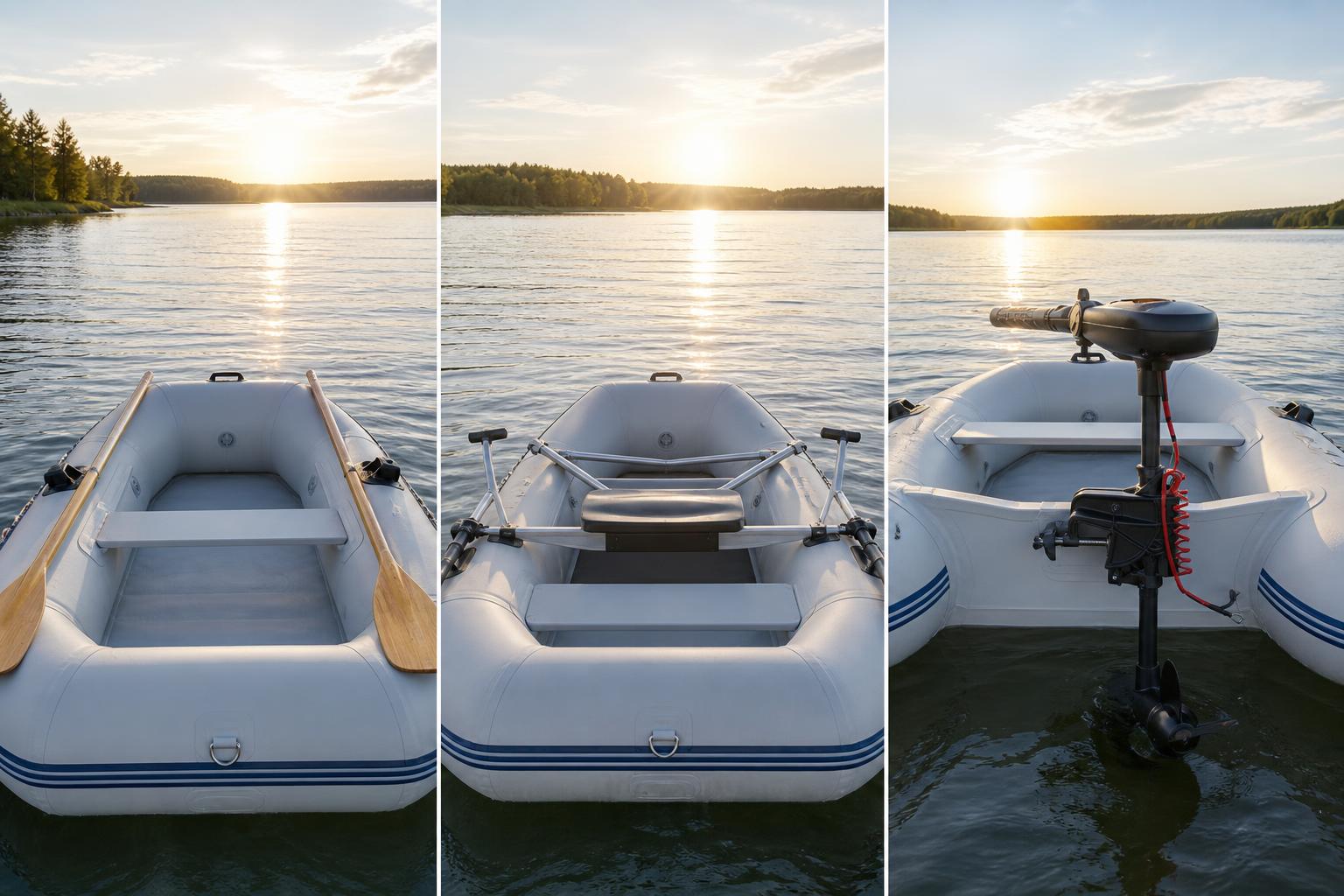
Oars vs Rowing Frames vs Trolling Motors: Best Propulsion
If you've spent any time researching how to move an inflatable boat, kayak, or KaBoat through the water, you've probably run into the same debate over and over: oars, a rowing frame, or an electric motor? Each camp has its loyalists, and honestly, each option earns its keep in different situations. I've used all three across different boats, and the "best" choice really comes down to your trip length, your arm strength, your budget, and how much gear you're willing to haul.
This guide breaks down the real tradeoffs — speed, cost, effort, and practicality — so you can pick the propulsion setup that actually fits how you use your boat, instead of just buying whatever the loudest forum post recommended.
The Three Contenders
Oars: The Original, No-Battery-Required Option
Oars are cheap, simple, and they never run out of charge. If you're floating a slow river, fishing a quiet pond, or just want a backup propulsion method that weighs almost nothing, a basic set of oars gets the job done. The catch is effort — rowing an inflatable boat, especially a wide one, against wind or current is real work. Most stock oars that ship with inflatable boats are also short and flex more than you'd like, which makes tracking straight a chore over long distances.
Rowing Frames: More Control, More Setup
A rowing frame bolts or straps into your inflatable boat and gives you a fixed seating and oarlock position, usually with longer oars than what comes stock. This translates into noticeably better leverage and a straighter, more efficient stroke — closer to what you'd get in a hard-shell rowboat. Frames are popular with whitewater rafters and anglers who want precise boat control without the noise or weight of a motor. The downside: frames add setup time, extra bulk when packing the boat, and they still rely entirely on your own muscle. For long crossings or windy days, you'll feel it in your shoulders by the end.
Electric Trolling Motors: Effort-Free Speed
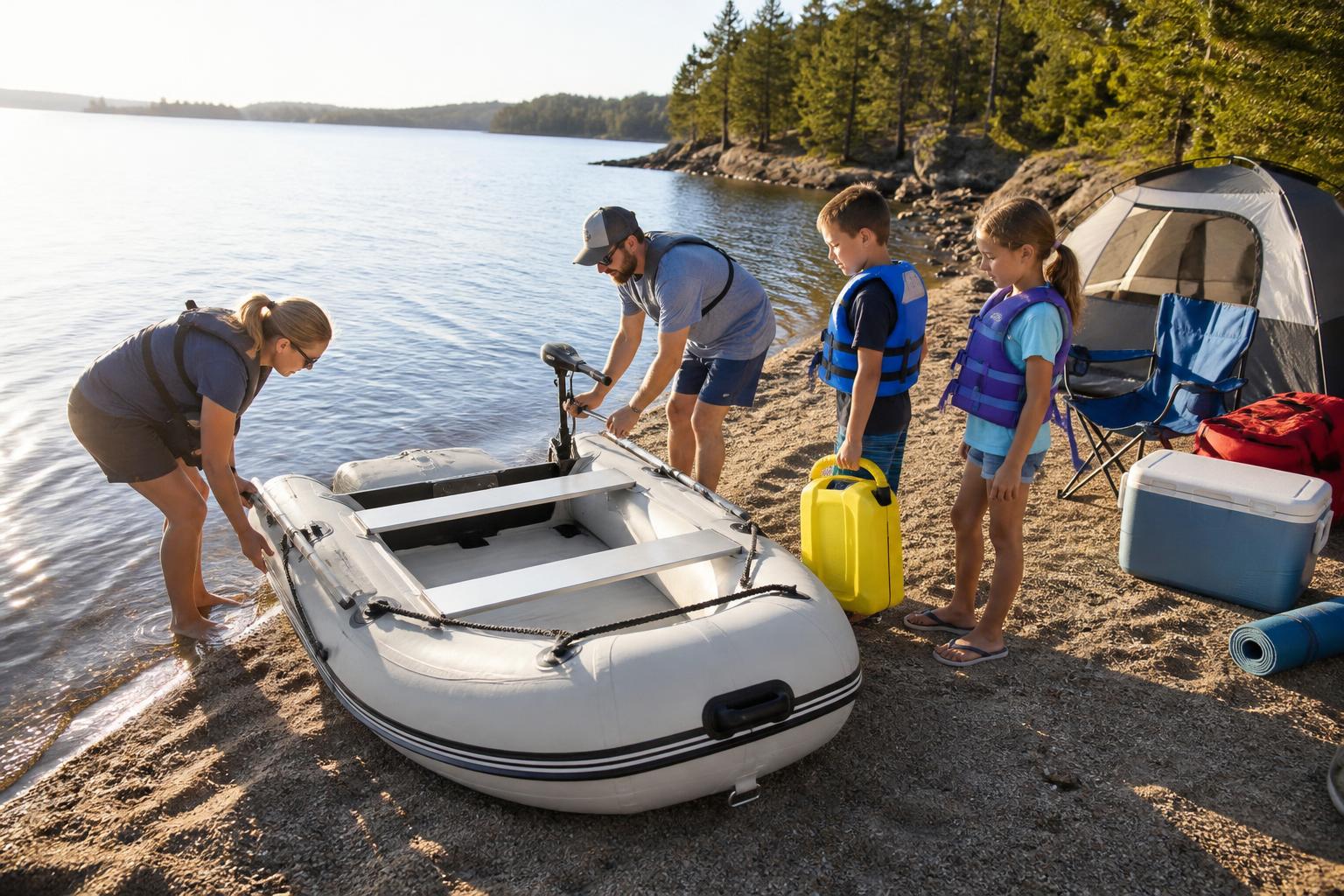
For anyone who wants to cover distance without turning every outing into a workout, an electric outboard changes the equation completely. Clamp it to the transom, connect a 12V battery, and you're moving at a controlled speed with zero physical strain. The 1HP Electric Trolling Motor 12V is a good example of how far these motors have come — it's a 600W brushless outboard that weighs just 14 lbs, folds down to 39" x 12" x 6", and runs on a standard 12V battery with a max draw of 50 amps. That's dramatically lighter than the older generation of 12V trolling motors, which often had bulky 32" motor heads compared to this one's 23" head.
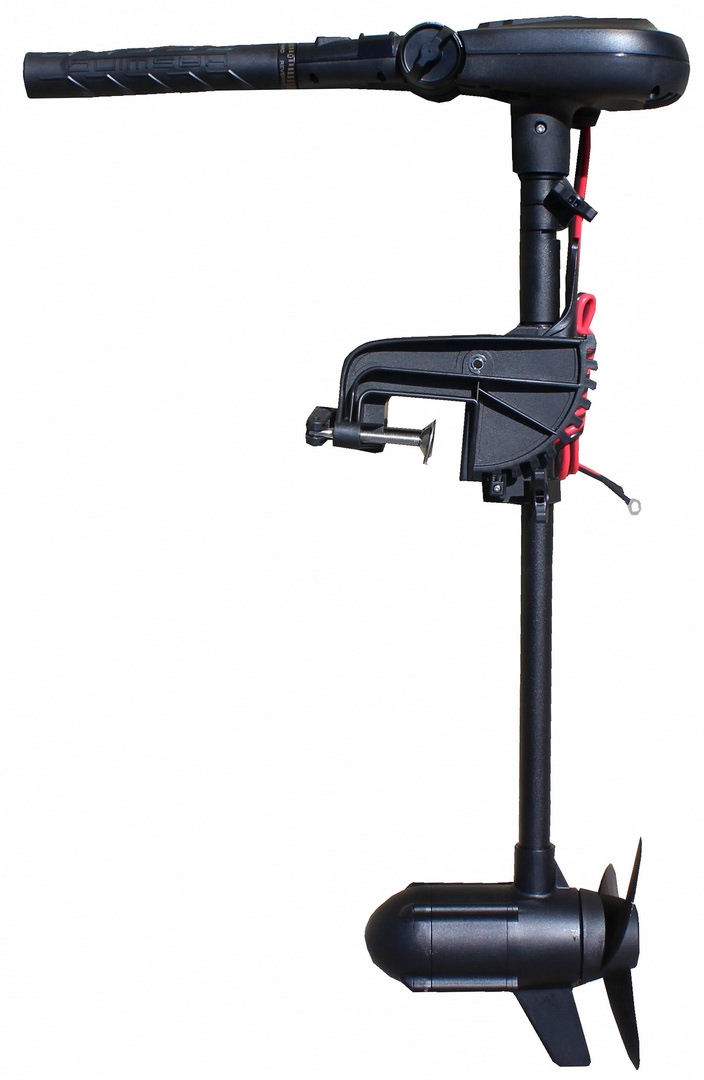
What I appreciate most about this particular motor isn't just the power — it's the details that make it practical for inflatable boats specifically. The tilting throttle handle has 10 adjustable positions and can fold up to 45 degrees or lie flat against the shaft, which matters a lot when you're trying to pack a motor into a duffel bag alongside a deflated boat. It also has a built-in battery level reader, so you're not guessing how much runtime you have left, and the "Digitmax" energy-saving tech is designed to stretch battery life on the water.
Speed Comparison: What Actually Moves You Faster?
On flat water, a fit paddler rowing with a good frame setup can sustain roughly 3-4 mph over moderate distances. Oars alone, especially the shorter stock ones, tend to run a bit slower and tire you out faster because of reduced leverage. An electric trolling motor like the 1HP 12V unit above will comfortably push a small inflatable boat or KaBoat at speeds that outpace sustained rowing, and — this is the part people underestimate — it does it without draining your energy. That matters if you're planning a full day on the water, fishing multiple spots, or need to get back to the dock quickly if weather turns.
Cost Breakdown
Cost is where oars win outright, at least on paper. A basic pair of oars is inexpensive and needs no accessories. Rowing frames cost more upfront due to the frame hardware and longer oars, but they're still a one-time purchase with no ongoing expenses. Electric motors have the highest entry cost — the 1HP Electric Trolling Motor 12V runs $269 — and you'll also need a 12V battery if you don't already own one. That said, there's no fuel to buy, no engine maintenance like a gas outboard requires, and the motor is a one-time investment that pays off in convenience every single trip.
Effort: The Real Deciding Factor
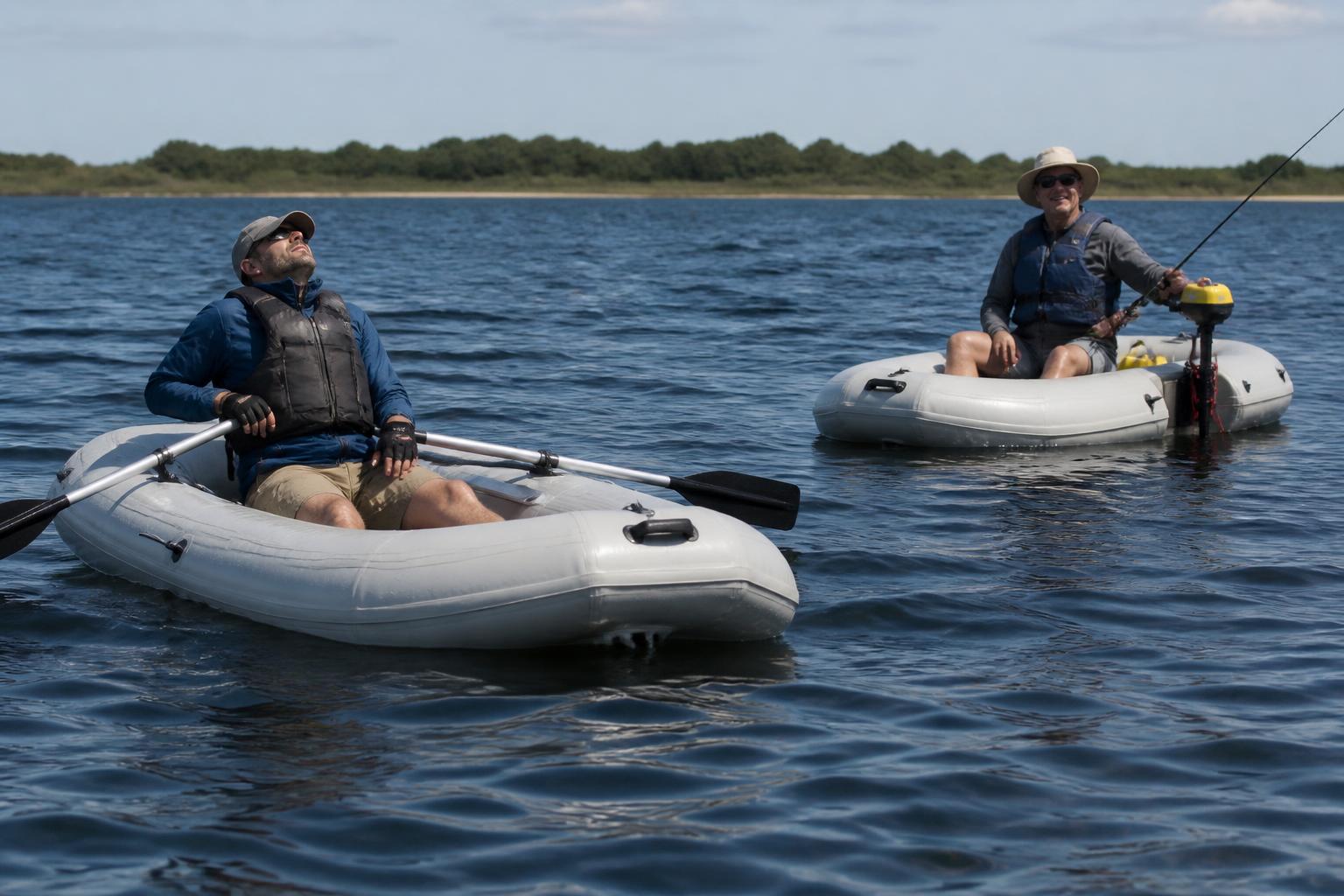
This is where most people actually make their decision, whether they realize it or not. Rowing — with or without a frame — is a workout. That's a feature if you want exercise, and a dealbreaker if you're taking kids, older family members, or just want to relax and fish instead of paddle. Electric propulsion removes effort from the equation almost entirely. You steer, you throttle, and the motor does the rest. For longer outings, headwinds, or anyone with physical limitations, this alone can be the deciding factor.
Side-by-Side Comparison
| Factor | Oars | Rowing Frame | Electric Trolling Motor |
|---|---|---|---|
| Upfront Cost | Low | Moderate | Higher ($269 for the 1HP 12V motor) |
| Physical Effort | High | Moderate to High | Minimal |
| Typical Speed | 2-3 mph | 3-4 mph | Faster, sustained without fatigue |
| Weight/Portability | Very light | Adds bulk, needs assembly | 14 lbs, folds to 39" x 12" x 6" |
| Ongoing Costs | None | None | Battery charging only |
| Best For | Short trips, backup propulsion, calm water | Whitewater, precise boat control, fitness rowing | Fishing, longer trips, effortless cruising |
Don't Forget About Setup — Getting on the Water Faster
Whichever propulsion method you choose, none of it matters if you're still spending 20 minutes hand-pumping your boat before you even launch. If you're investing in an electric motor to save effort on the water, it makes sense to save effort getting on the water too. The Digital High-Pressure Electric Pump w/Battery inflates boats, kayaks, and rafts automatically — you set the pressure on the digital gauge, press the button, and it stops on its own once your boat reaches the correct PSI. It runs on an internal rechargeable battery, so you're not tethered to a car outlet, and it comes with adapters that fit most valve types, including Saturn pushpin valves.
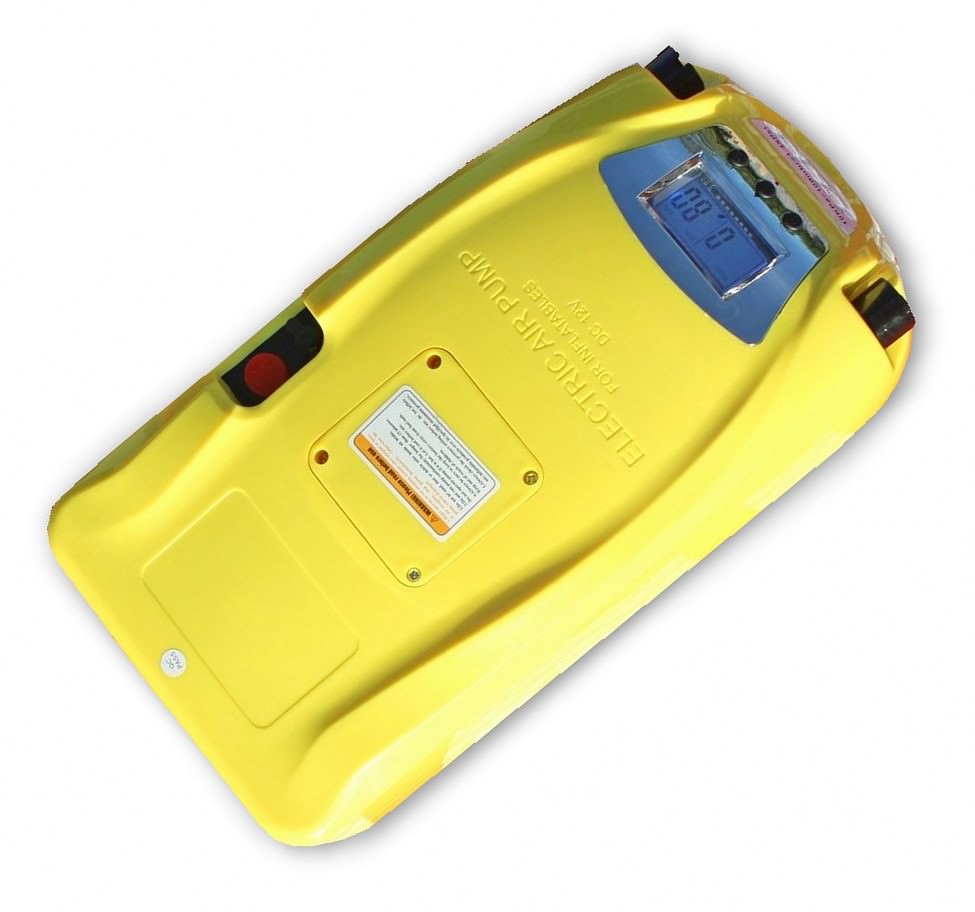
At $189, it's a practical companion piece if you're already spending on a motor setup — the combination turns "loading the boat" and "getting underway" into a much faster, lower-effort process from start to finish.
So Which Should You Choose?
If you paddle occasionally on calm, short stretches of water and want the lightest, cheapest setup, oars are still a perfectly reasonable choice — especially as a backup even if you go electric. If you're serious about rowing technique, want better boat control in current, or enjoy the workout, a rowing frame is worth the extra setup hassle. But if your priority is covering distance, fishing longer without arm fatigue, or simply enjoying the water without turning it into exercise, an electric trolling motor is hard to beat. The 1HP Electric Trolling Motor 12V's low weight and folding design in particular make it realistic to pack alongside an inflatable boat without the usual bulk and hassle older 12V motors came with.
There's no single right answer here — just the right answer for how you actually use your boat. Match the propulsion to your trips, not the other way around, and you'll enjoy far more time on the water and a lot less regret in the garage.