

Top rated
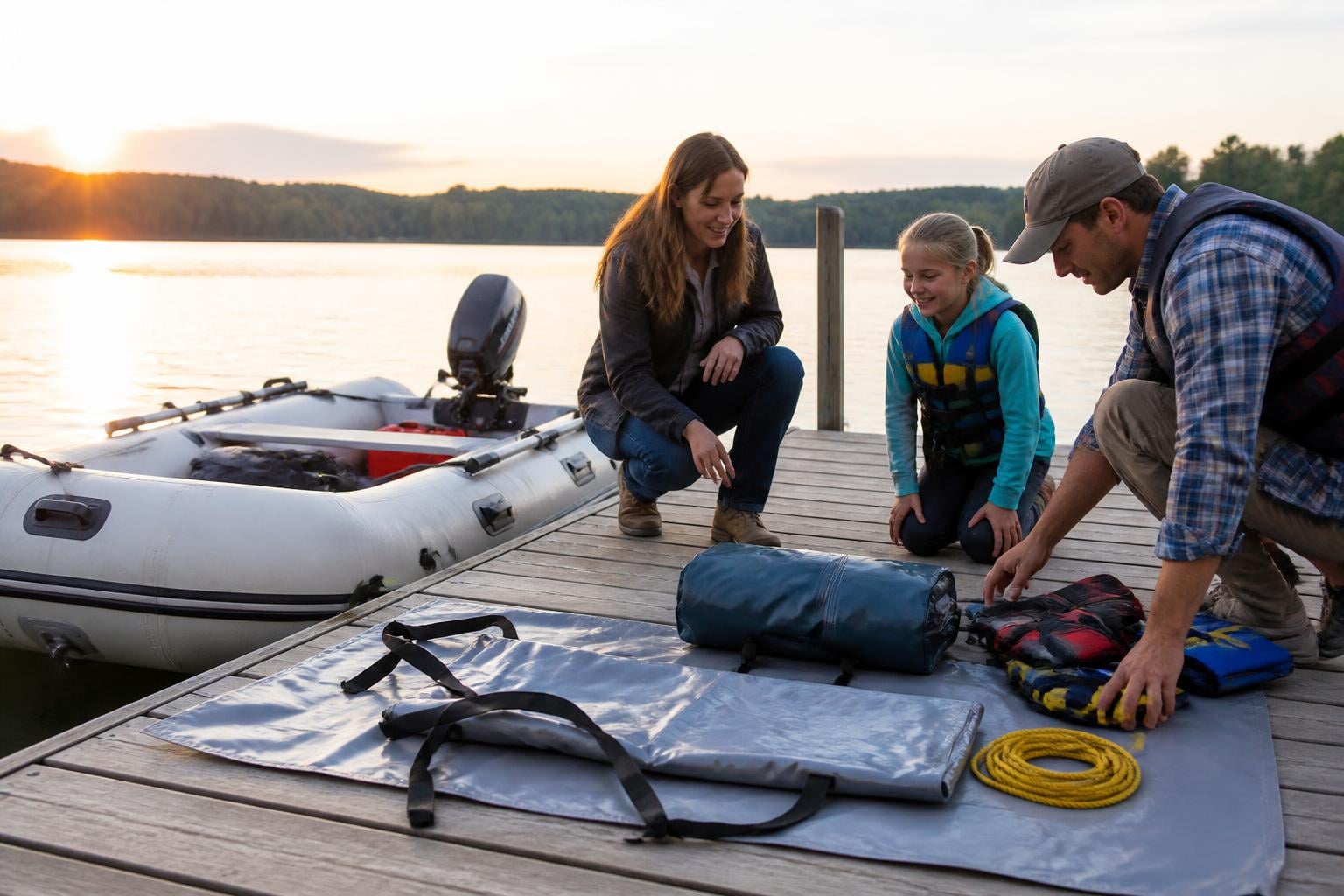
Best Life Jackets & Safety Gear for Inflatable Boats 2026
Every season we get the same question from customers picking up a new inflatable boat: "What safety gear do I actually need?" It's a fair question, because inflatable boats get treated differently than hardshell hulls — they get folded up, tossed in truck beds, dragged across rocky launches, and often used by first-time boat owners who aren't sure what belongs in the safety kit and what's just marketing fluff.
This guide skips the fluff. We'll walk through the life jackets and safety gear that actually matter for inflatable boat owners in 2026, plus a few accessories — fenders, lifting tabs, and proper storage bags — that don't get talked about enough but genuinely reduce the number of ways your day on the water can go sideways.
Why Inflatable Boats Need a Slightly Different Safety Approach
An inflatable boat (RIB, dinghy, or soft-hull) behaves differently than a fiberglass boat. It's lighter, it flexes, it can be punctured, and it's usually stored deflated between trips — which means your safety routine has to cover two phases: the actual time on the water, and the handling/storage/transport phase where a surprising number of injuries and gear failures happen (torn carry handles, dropped boats on toes, mildew-damaged PFDs left folded wet in a bag).
Life Jackets: The Non-Negotiable Item
This part isn't optional, and it isn't up for debate. The U.S. Coast Guard requires one wearable PFD (Type I, II, III, or V) per person on board, plus a throwable Type IV device on any boat 16 feet or longer. Here's how to actually pick the right ones instead of just grabbing whatever's cheapest:
Type III vs Type V — Which One for Inflatable Boaters?
- Type III (Flotation Aid): The standard choice for calm-water paddling, fishing trips, and family outings on a small inflatable. Comfortable enough to wear all day, good range of motion for paddling or rowing.
- Type V (Hybrid/Inflatable PFD): Best for experienced boaters running a motorized inflatable at speed. Lower bulk, but requires the wearer to be conscious and able to inflate it (manually or via auto-inflation cartridge) — not ideal for kids or non-swimmers.
Sizing Matters More Than Brand
A life jacket that's rated for "adult" but doesn't cinch down properly will ride up over a person's head in the water — useless when it matters. Fit every jacket on dry land first: it should be snug enough that you can't pull it up past your chin when someone yanks the shoulder straps upward. For kids, buy a child-specific PFD, not an adult one "loosened up" — the flotation panels are placed differently on children's designs specifically to keep their heads above water.
Beyond the PFD: Rescue-Ready Accessories
A life jacket keeps someone afloat. These items help you get them — or your boat — out of trouble.
Throw Rope / Rescue Line
A 50–75 ft floating throw line takes up almost no space and is the single fastest way to reach someone who's fallen overboard or drifted from shore. Keep it coiled and accessible, not buried under gear.
Fenders
Fenders aren't just for docking convenience — on an inflatable boat they prevent the tubes themselves from getting scraped, punctured, or abraded against a dock, another hull, or a rocky bank. Since your boat's flotation depends entirely on intact air chambers, a $20 fender is cheap insurance against a $200+ repair (or worse, a slow leak you don't notice until you're already on the water).
Lifting Tabs and D-Rings
If your inflatable boat has reinforced lifting tabs or D-rings sewn into the tube seams, use them. They're rated for lifting and towing loads that the tube fabric alone isn't. Trying to lift or drag a loaded inflatable by the tube material instead of the reinforced points is one of the most common ways owners cause slow punctures or seam separation over time.
The Safety Step Everyone Forgets: Proper Storage and Transport
Here's the part of "boat safety" nobody puts on a checklist, but should: how you carry, fold, and store your deflated boat directly affects whether it's seaworthy next time you unroll it. A boat dragged across a parking lot, stuffed into a garbage bag, or tossed loose in a truck bed picks up grit, punctures, and UV damage fast.
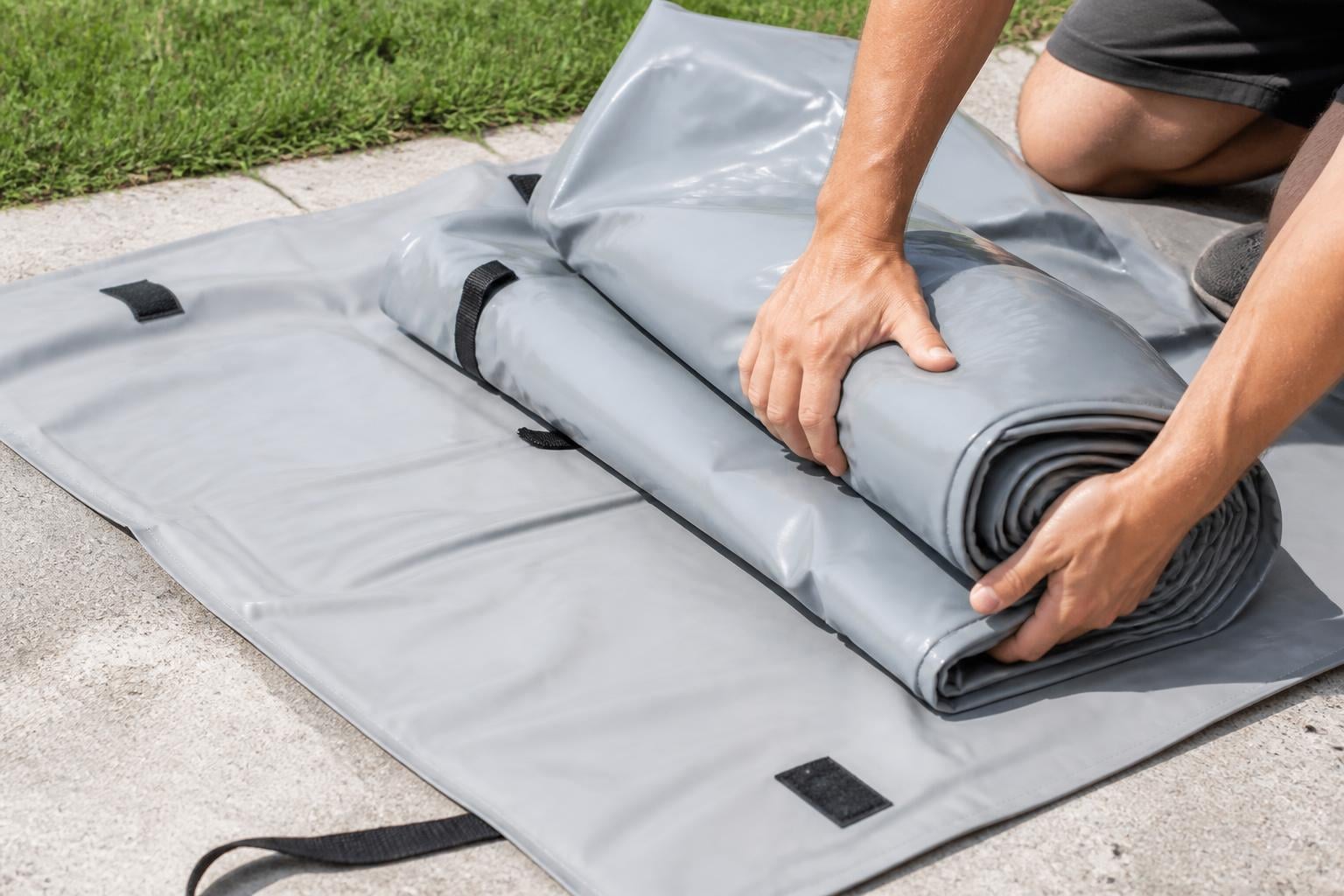
That's exactly why we recommend a purpose-built Boat Carry Bag for every inflatable in your fleet. It's a simple crest-style bag with double D-rings and tie straps — no zippers to break, no awkward openings to wrestle a folded hull into. You fold your boat, lay it on the bag, close the flaps around it, and cinch the straps through the D-rings. That's it.
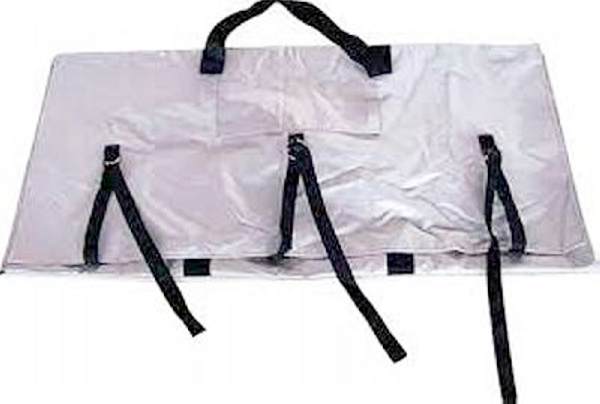
A few practical notes we always pass along to customers:
- Always lift the bag using both handles together. Pulling up on a single handle when the bag is fully loaded can rip the handle right off the fabric — a $49 bag isn't worth wrecking over a bad lifting habit.
- For longer carries across a parking lot or down to a dock, pair the bag with a foldable hand cart instead of hand-carrying a heavy load.
- Make sure you order the correct bag size for your specific boat model — undersized bags stress the seams, oversized bags let the folded boat shift and abrade against buckles during transport.
Which Carry Bag Size Fits Your Boat?
The carry bag comes in three sizes matched to boat model ranges. Always tell us your exact boat model in the order comments so we ship the correct one:
| Bag Version | Color | Compatible Models | Best For |
|---|---|---|---|
| Small | Gray | Saturn paddle boards, kayaks, skiffs, SK396–SK430, small CB boats | Solo paddlers and small tender owners |
| Medium | Gray | Saturn SD260 to SD330 | Weekend fishing/family inflatable boats |
| XL (Extra Heavy-Duty) | Red | Saturn SD365 to SD518 | Larger motorized inflatables and group boats |
Getting the sizing right isn't just about convenience — a properly sized bag protects the tube fabric and valves from being crushed or bent at odd angles during transport, which over time is a real (if underrated) safety issue. A weakened valve or a stressed seam won't announce itself until you're already loaded up and away from shore.
A Quick Pre-Launch Safety Checklist
- ✅ One properly fitted PFD per person on board, plus a Type IV throwable if your boat is 16 ft+
- ✅ Throw rope stowed within arm's reach, not buried under gear
- ✅ Fenders attached before docking or launching near rocks/other hulls
- ✅ Air pressure checked in all tube chambers — inflatable boats lose PSI with temperature swings
- ✅ Lifting only from reinforced D-rings/tabs, never bare tube fabric
- ✅ Boat folded, dried, and stored in a correctly sized carry bag between trips
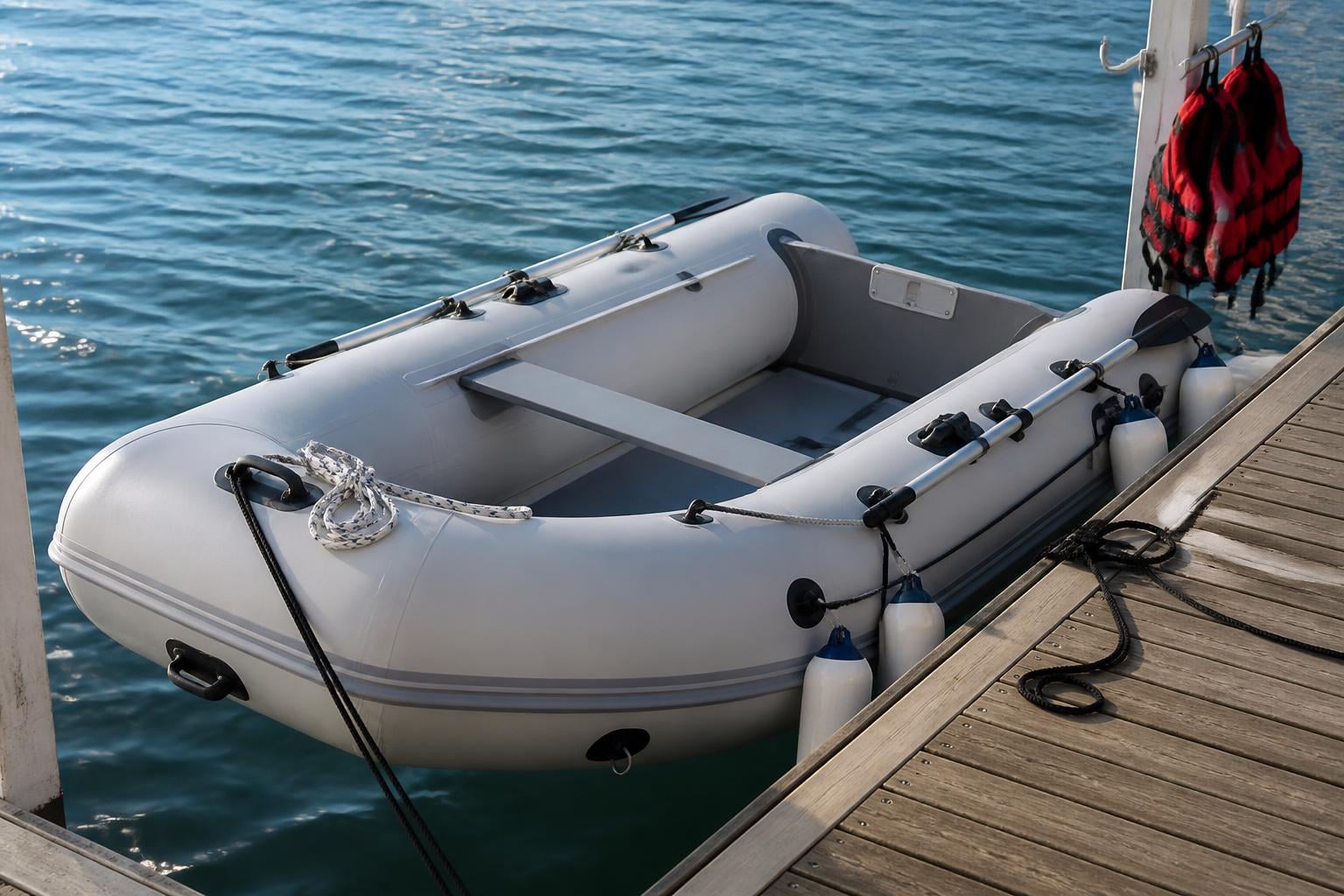
Final Thoughts
Safety gear for inflatable boats isn't just about what you wear on the water — it's a full loop that starts the moment you pull the boat out of storage and ends when you fold it back up at the end of the day. Get the life jackets right, keep a throw rope and fenders within reach, respect the reinforced lifting points, and invest in a proper carry bag sized correctly for your model. None of this is expensive or complicated — it's just the difference between a boat that lasts for years and one that fails you on the one day it actually matters.