

Top rated
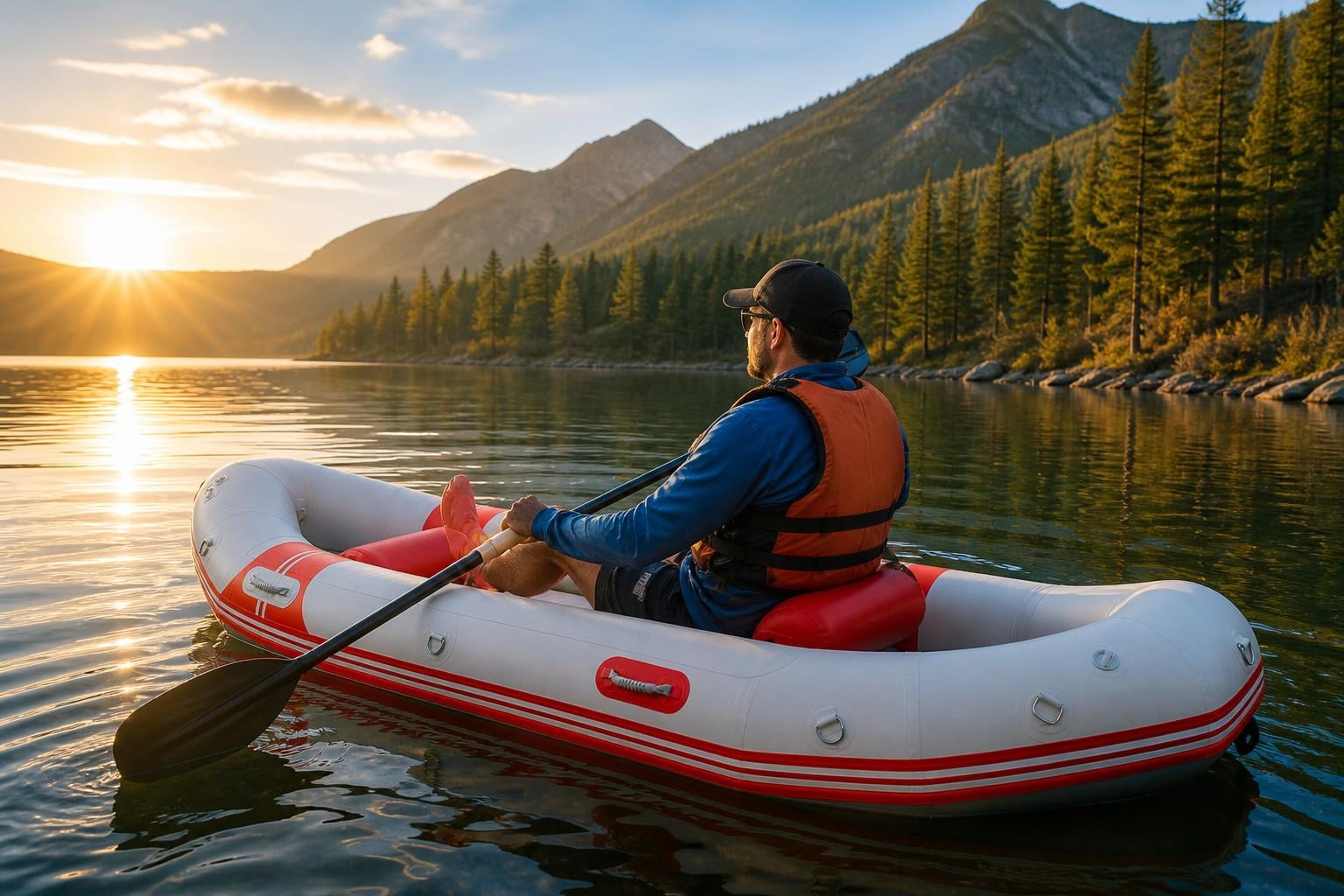
Best Kayak & Inflatable Boat Seats for All-Day Comfort (2026)
Why Seat Comfort Can Make or Break a Day on the Water
Ask any paddler or angler who's spent six-plus hours on the water what actually ends the trip early, and the answer is rarely weather or fatigue in your arms. It's your back, tailbone, and hips. Factory seats — whether they came stock in a kayak or bolted to the floor of an inflatable raft — are built for cost, not comfort. They're thin, flat, and offer almost no lumbar support once you've been sitting in the same position for a few hours.
If you're planning long float trips, fishing marathons, or multi-day whitewater runs, upgrading your seat is one of the cheapest, highest-impact changes you can make to your setup. This guide breaks down the main categories of kayak and inflatable boat seats, what specs actually matter, and how to think about seating when you're outfitting a bigger craft like a multi-person raft.
Why Your Stock Seat Isn't Cutting It
Most stock seats — especially on budget kayaks and entry-level inflatable rafts — are designed around a single goal: keep manufacturing costs down. That usually means:
- Thin foam padding (often under an inch) that compresses flat within an hour
- No lumbar or lateral support, so your lower back does all the stabilizing work
- No drainage, so water pools under you on wet launches or rainy days
- Fixed positioning with no recline or tilt adjustment
None of this is a problem for a 45-minute paddle around a lake. It becomes a real problem on a 6-hour fishing trip or a multi-day float where you're sitting for the majority of the day.
Types of Kayak & Inflatable Boat Seat Upgrades
High-Back Cushion Seats
This is the most common upgrade for kayakers and casual paddlers. High-back seats extend well above the lumbar region, often up to shoulder height, and use thicker foam or air-cell padding to distribute weight more evenly across your seat bones instead of concentrating pressure on your tailbone. Look for adjustable back straps so you can dial in recline angle, and a base wide enough to actually match your kayak or raft's floor width — an oversized seat pad bunching up against the tube walls will actually feel worse than the stock seat.
Fishing Seats with Rod Holders
If you fish from a kayak or inflatable, a dedicated fishing seat solves two problems at once: comfort and gear access. These seats typically add side-mounted rod holders, small accessory pockets for pliers or tackle, and a raised profile that gives you a better casting angle than a standard low-slung kayak seat. The tradeoff is weight and bulk — fishing seats are heavier and take up more storage space when you break down your boat, so they make the most sense if fishing is your primary use case rather than an occasional stop.
Inflatable & Removable Seats for Rafts
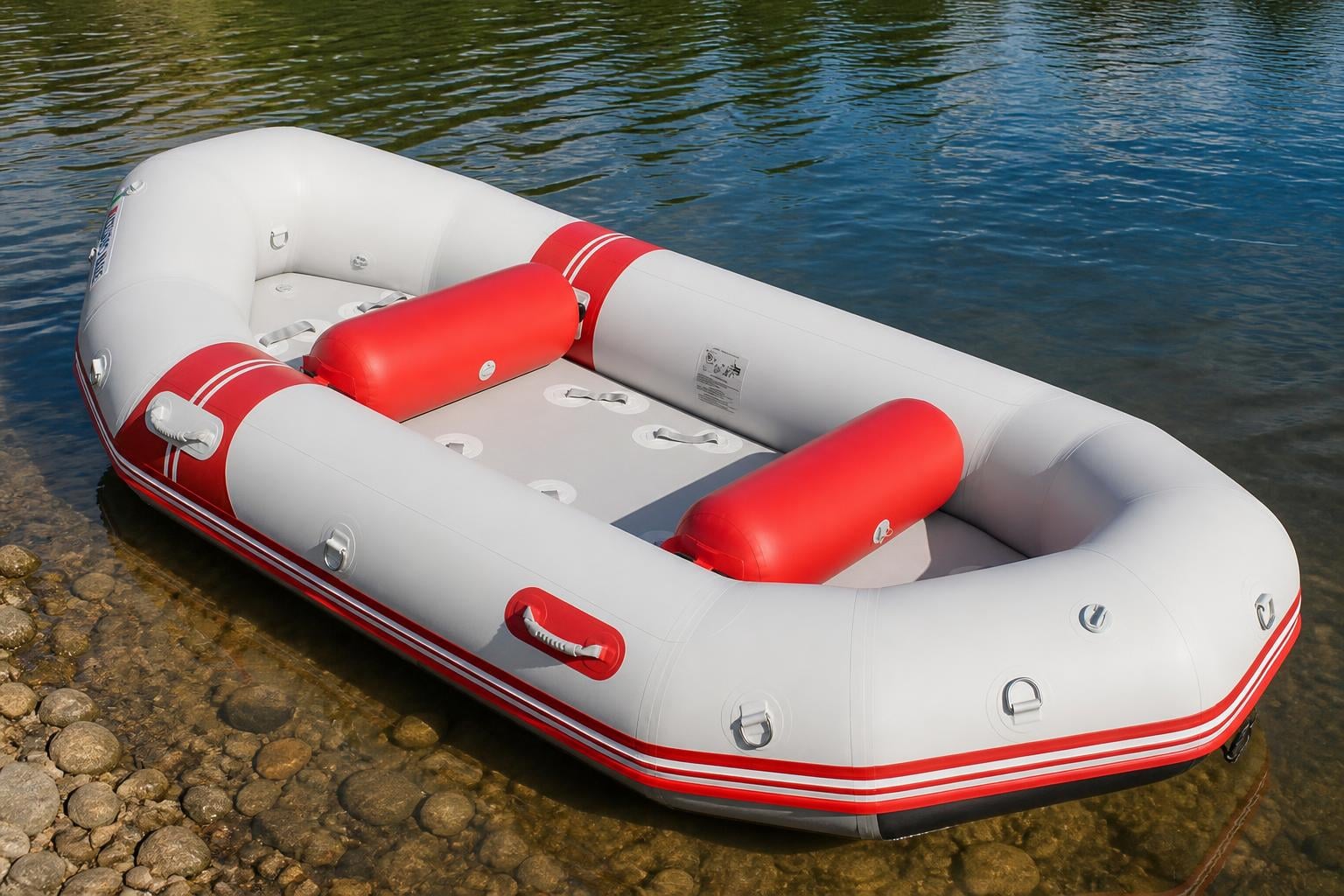
On larger inflatable rafts — especially whitewater and multi-person models — seating is a different conversation entirely. Many rafts don't come with fixed bench seats at all; paddlers sit on the tubes or on removable thwart seats, and rowers use a frame-mounted seat. For rafts like the Saturn Azzurro Mare 13' Whitewater Raft (AMR385), which is rated for 6-8 paddlers or 4-5 people plus gear in rowing configuration, seating comfort is less about one padded seat and more about how you distribute people and gear across the 18-inch diameter tubes and 140mm air deck floor.
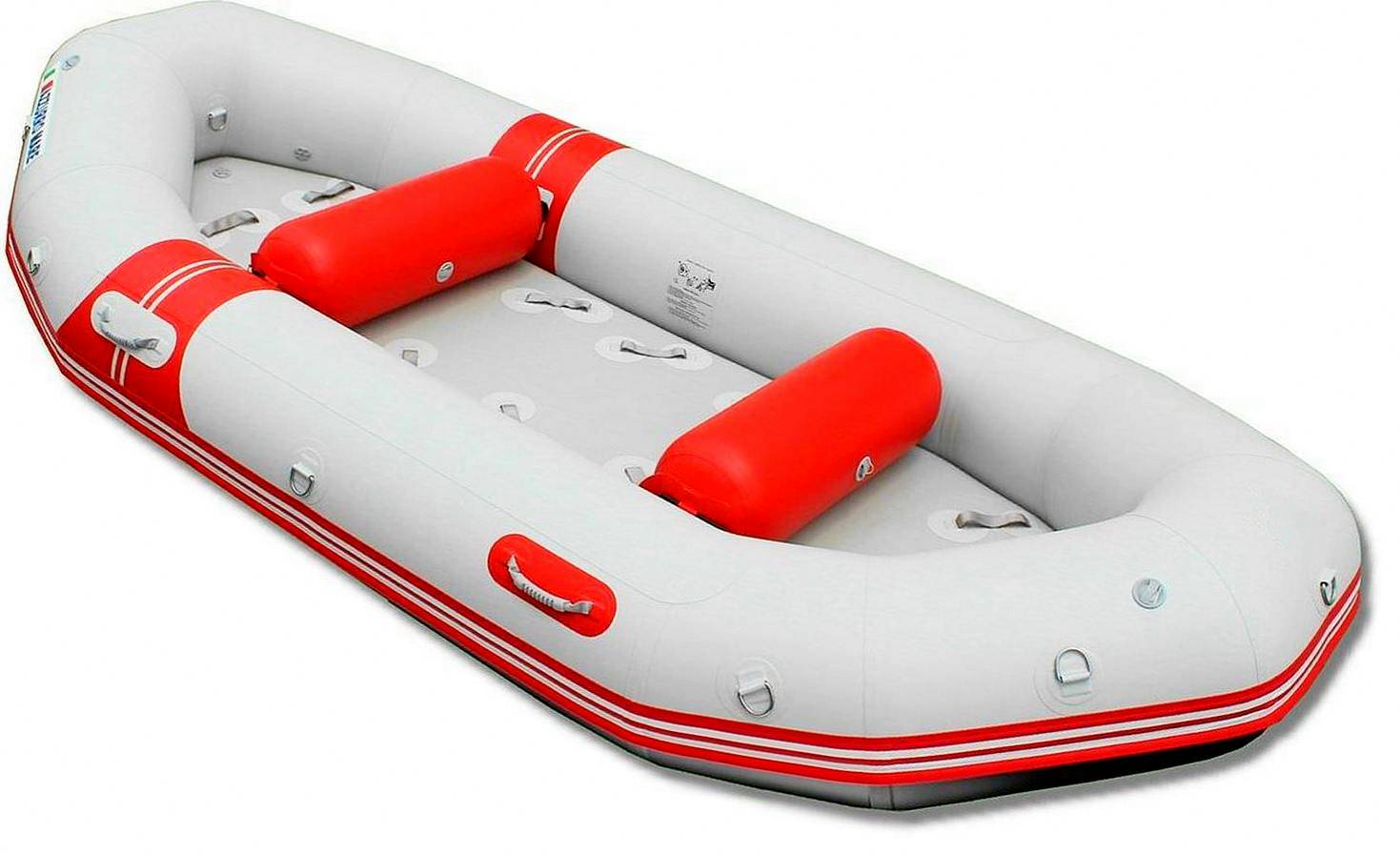
For a raft like this, a removable inflatable thwart seat or a frame-mounted rowing seat with padding is usually the better upgrade path than a strap-in kayak-style seat, since paddlers need to be able to shift position quickly through rapids.
What to Look For When Choosing a Seat Upgrade
- Padding thickness and material: Foam is lighter and cheaper; gel and air-cell padding hold their shape longer over a full day but add weight and cost.
- Back height and lumbar support: High-back designs distribute pressure across a larger area of your back instead of concentrating it at the base of your spine.
- Strap and buckle quality: You'll be adjusting these constantly — cheap plastic buckles crack in cold weather and UV exposure.
- Drainage: Mesh backing or drain grommets matter if you're paddling in rain or taking on splash.
- Base footprint: Measure your kayak's seat well or your raft's floor width before buying — an oversized base won't sit flat.
- Weight capacity: Especially relevant for fishing seats, which carry additional hardware and gear load.
Comparing Seat Types at a Glance
| Seat Type | Best For | Back Support | Extra Storage/Gear | Weight | Drainage |
|---|---|---|---|---|---|
| High-Back Cushion Seat | Recreational kayaking, long day paddles | High | Minimal, maybe one pocket | Light | Usually yes (mesh back) |
| Fishing Seat w/ Rod Holders | Kayak anglers, sit-on-top fishing rigs | High | Rod holders, tackle pockets | Moderate to heavy | Varies by model |
| Standard/Stock Seat | Short trips, casual use | Low | None | Light | Rarely |
| Removable Raft Thwart Seat | Multi-person rafts, whitewater | Low to moderate (upright posture) | Depends on frame setup | Light, packs flat | Self-bailing floor handles runoff |
Matching Seats to Your Boat
Seat choice isn't one-size-fits-all — it depends heavily on the boat you're paddling and how you use it.
Sit-in and sit-on-top kayaks: These benefit the most from high-back cushion upgrades since the seat well is usually a fixed, molded shape that stock foam pads poorly. A properly fitted high-back seat is often the single biggest comfort upgrade you can make short of buying a new kayak.
Fishing kayaks: If you're spending hours anchored and casting, a dedicated fishing seat with rod holders pays for itself quickly — both in comfort and in not having to balance a rod across your lap.
Multi-person inflatable rafts: On a boat like the 13' Azzurro Mare AMR385, with its 4+2+1 chamber configuration and self-bailing 140mm air deck floor, comfort is more about seat placement and load balance than a single padded chair. This raft is built for Class III+ whitewater with a higher rocker profile, so paddlers typically sit on the tubes with removable thwart seats they can adjust or pull depending on the rapid, while a rower running it as a 4-5 person gear boat will want a padded frame seat mounted at the center. At 1199 USD and shipping in a compact 45x26x16 package, it's built more for versatility across paddle and rowing setups than for a fixed bench seat arrangement.

Care and Maintenance Tips
- Rinse padded seats with fresh water after every saltwater trip — salt crystals break down foam and stitching faster than fresh water exposure.
- Let seats air dry fully before storing them folded; trapped moisture leads to mildew, especially in gel and mesh-backed models.
- Check strap buckles and D-rings each season — these are the first parts to fail, usually from UV exposure rather than actual wear.
- For raft-mounted seats, inspect the attachment points on the tubes or frame for chafing, since repeated flexing in rapids puts more stress on mounting hardware than flatwater paddling does.
Final Thoughts
A better seat won't fix a bad day on the water, but a bad seat will absolutely ruin a good one. Whether you're outfitting a solo kayak with a high-back cushion, rigging a fishing kayak with rod holders built into the seat, or setting up a bigger crew on a raft like the Saturn Azzurro Mare 13' Whitewater Raft, matching the seat to your boat and how you actually paddle is what turns a long day into a good one instead of a painful one.