

Top rated
Best Inflatable Boat Fenders: Sizes, Types & Buying Guide
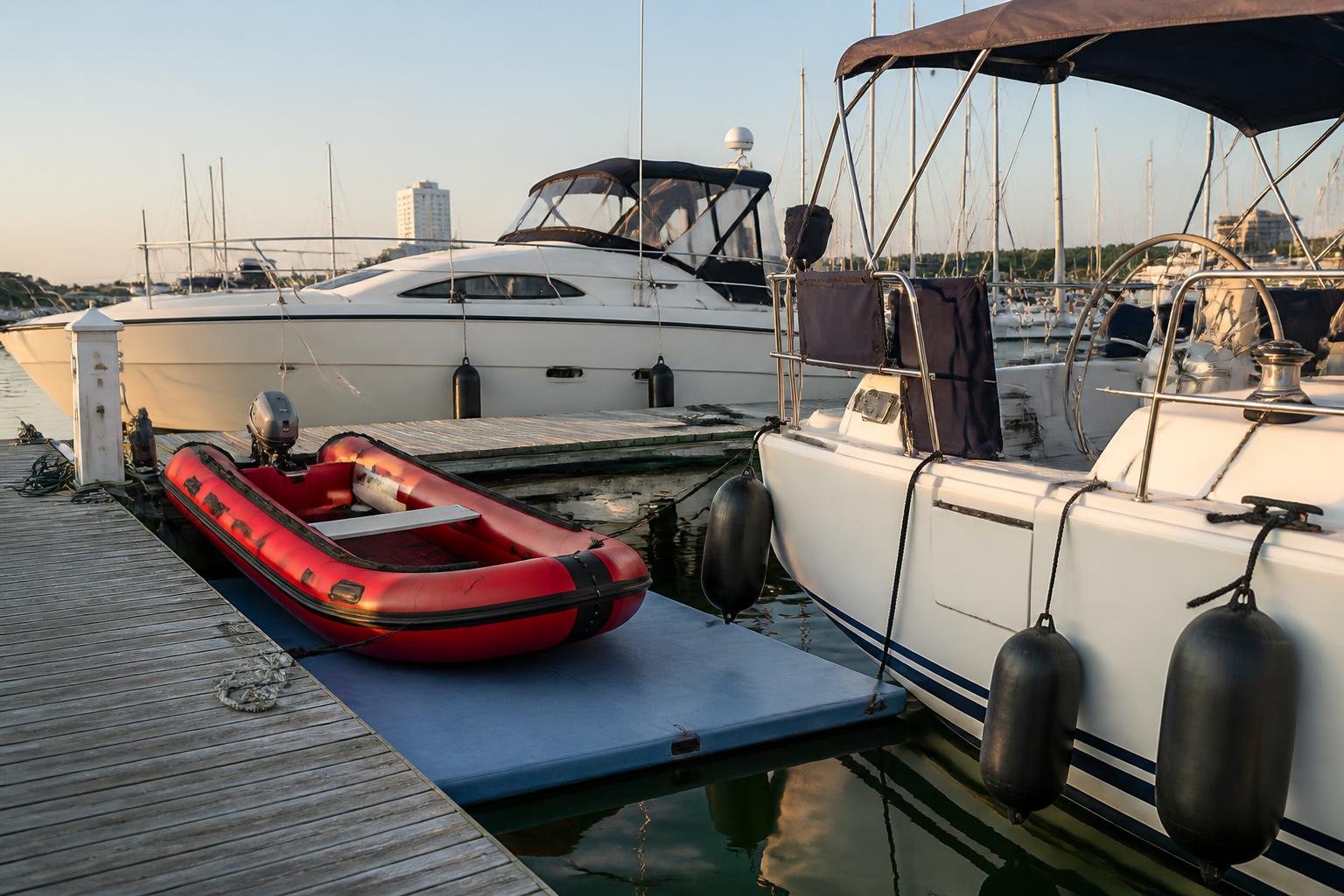
If you've ever cringed at the sound of your boat's tube scraping against a dock piling, you already know why fenders aren't optional gear — they're insurance. Inflatable boats and RIBs take a beating from docks, trailers, pilings, and other boats, and a good set of fenders is the cheapest way to avoid a $500 patch job or a punctured tube. But not all fenders are created equal, and picking the wrong size or the wrong material can leave you with a fender that either doesn't protect enough hull or takes up so much space you stop using it. Here's what actually matters when you're shopping for inflatable boat fenders.
Why Inflatable Fenders Beat Traditional Vinyl Fenders
Traditional foam-filled or solid vinyl fenders work fine, but they have one big drawback: they're bulky. On a small center console or an inflatable boat where every cubic foot of storage counts, a rack of hard fenders hanging off the rail is dead weight and clutter. That's why so many boat owners end up leaving their fenders at home — and then regret it the first time they dock in a crosswind.
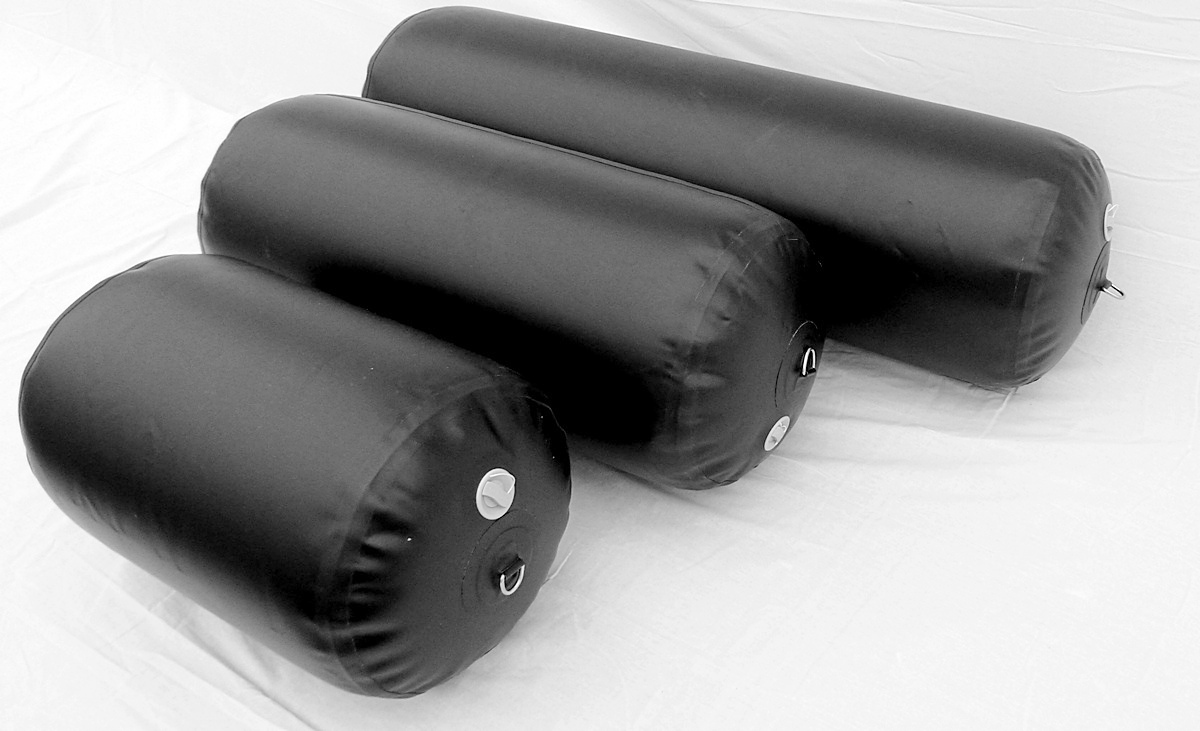
Inflatable fenders solve that problem. You deflate them, roll them up, and stuff them into a hatch or under a seat. When you need them, a few minutes with a hand pump or 12V inflator and you're back in business. The Saturn Inflatable Fenders pack down to a shipping size of just 28 x 14 x 4 inches when deflated, which tells you how little space they actually need once you let the air out.
Sizing: Match the Fender to Your Boat, Not the Other Way Around
Fender sizing isn't just about looks — it's about how much surface area and standoff distance you get between your hull and whatever it's rubbing against. Too small, and the fender bottoms out before it does any good. Too large, and it's awkward to store and deploy.
The Saturn Inflatable Fenders come in a 60 x 18" size, which is a solid middle-ground choice for most inflatable boats, RIBs, and small-to-mid-size runabouts. That length gives you enough coverage to protect a good stretch of tube or gunwale, while the 18" diameter provides real standoff distance from pilings and dock edges — important when swells or wakes are pushing your boat around.
As a rule of thumb when sizing fenders in general:
- Longer fenders spread the load over more hull surface, reducing point pressure on any one spot of your tubes.
- Larger diameter means more cushioning and more standoff distance from hard surfaces.
- For boats that dock in exposed slips or tidal marinas with big water level swings, err toward the larger size — you can always tie them higher or lower on the line.
What Actually Makes a Fender Durable
This is where a lot of cheap inflatable fenders fall apart — literally. The material and seam construction determine whether a fender survives years of dock rash or gets a slow leak after one season.
The Saturn fenders are built from 1.5 mm German Heytex PVC, which is nearly twice as thick as the standard PVC used in many competing inflatable fenders. That extra thickness matters most in abrasion resistance — the number one cause of fender failure isn't a single dramatic puncture, it's slow wear from repeated rubbing against barnacle-crusted pilings or rough dock edges. Combine that with heat-welded seams (instead of glued seams, which are the first thing to fail on cheaper fenders) and you get a fender that's genuinely built for repeated real-world abuse, not just occasional light duty.
Hardware That Matters: D-Rings and Valves
Two details separate a fender you can actually rig properly from one that's a pain to use:
- D-rings: The Saturn fenders come with 2 stainless steel D-rings glued at both ends, so you can run a line through either end depending on how you want to hang it — vertically off a rail or horizontally along a gunwale.
- Valve type: These use a flat standard pushpin valve, the same type used on most inflatable boats and SUPs, so if you already own a hand pump or electric pump for your inflatable boat, there's a good chance it'll work here too (valve adapters are also available separately if needed).
Inflatable Fenders vs. Traditional Fenders: A Quick Comparison
| Feature | Saturn Inflatable Fender (60x18") | Standard Solid Vinyl Fender | Foam-Filled Fender |
|---|---|---|---|
| Material | 1.5mm Heytex PVC, heat-welded seams | Rigid or semi-rigid vinyl | Vinyl shell over closed-cell foam |
| Storage | Deflates to 28x14x4" for compact storage | Bulky, always full size | Bulky, always full size |
| Portability | Roll up and stow in any hatch or locker | Needs dedicated rail or deck space | Needs dedicated rail or deck space |
| Setup | Inflate in minutes with hand or electric pump | Ready to hang immediately | Ready to hang immediately |
| Puncture risk | Low with 1.5mm PVC, but theoretically possible | None (solid material) | None (foam core) |
| Best for | Inflatable boats, RIBs, boats with limited storage | Boats with permanent rail storage | Boats with permanent rail storage |
| Price | $129 | Varies | Varies |
How to Inflate and Maintain Your Fenders
Inflating the Saturn fenders is straightforward — a hand pump will get the job done in a few minutes, but if you're outfitting multiple fenders or doing it often, an electric pump (available in our accessories section) speeds things up considerably. Don't over-inflate; a fender that's rock-hard doesn't absorb impact as well as one with a bit of give. You want it firm but still able to compress slightly on contact.
After each use, especially in saltwater, give the fender a quick rinse to keep grit out of the pushpin valve — that's usually the first part to give owners trouble if it's neglected. Store it deflated and rolled when not in use to keep the PVC from getting stiff or UV-damaged from prolonged sun exposure.
Protecting Your Boat Beyond the Fenders
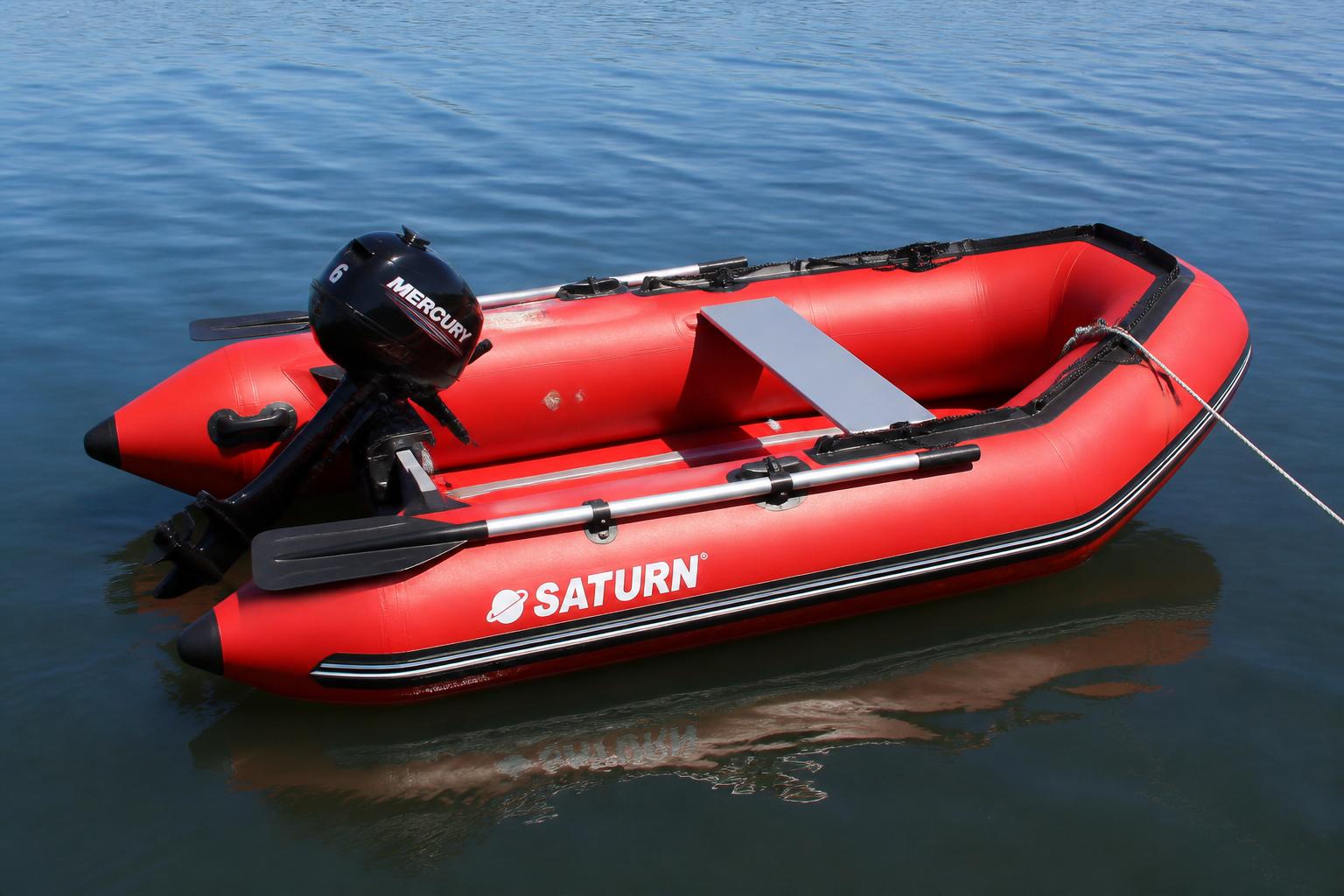
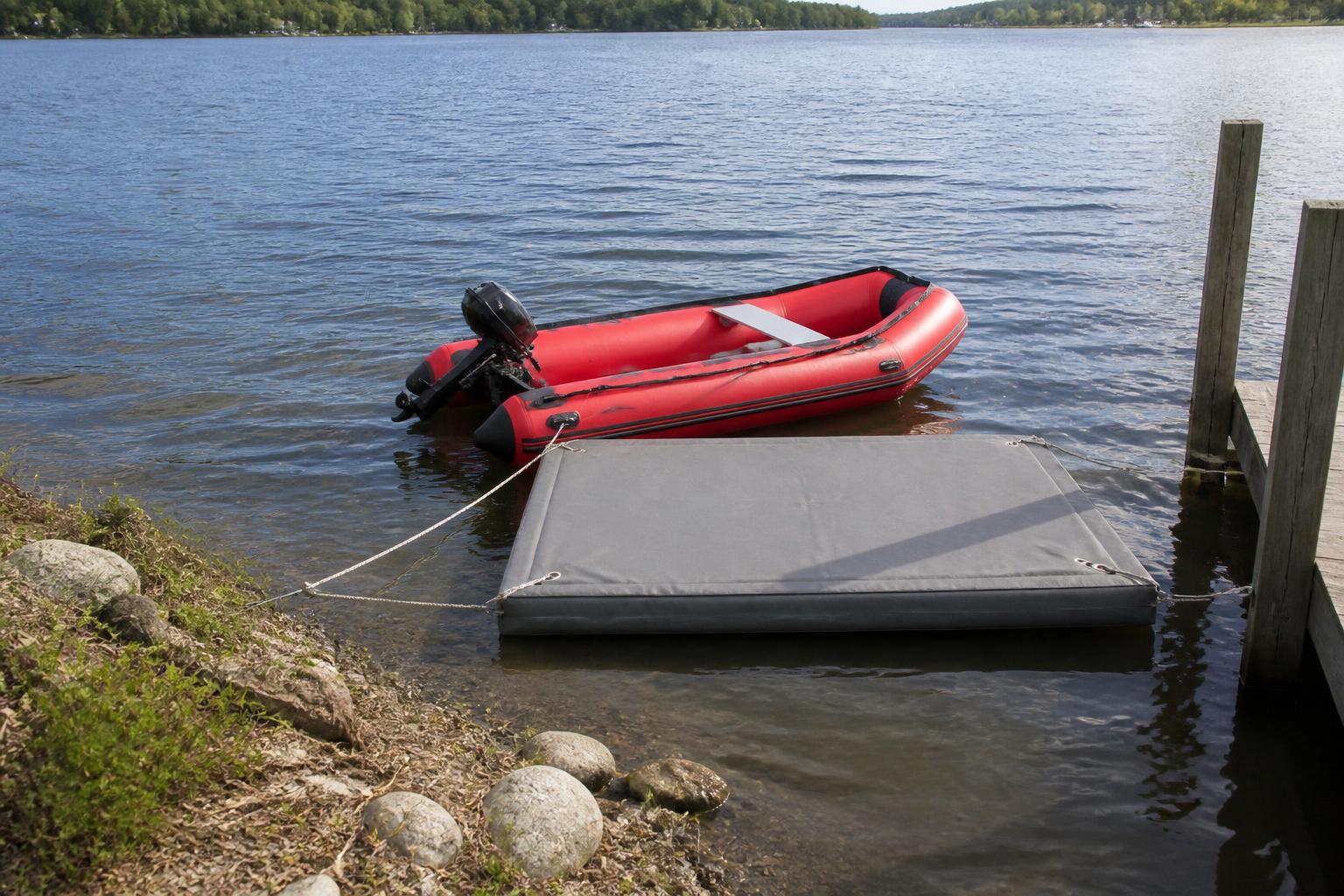
Fenders handle the boat-to-dock and boat-to-boat contact, but if you're running a smaller inflatable, kayak, or KaBoat, the other place your hull takes abuse is sitting in the water against rocks, sand, or a hard dock edge when you're not actively docked. For that situation, a lot of our customers use a Floating Dock Container — an 8' x 4' x 8" floating platform you fill with foam panels to create a soft, stable place to park a kayak, canoe, or small inflatable boat instead of dragging it up onto a rough shoreline or letting it bang against a fixed dock. It's not a fender replacement, but it solves a related problem: protecting your hull when the boat is sitting still, not just when it's docking.
Buying Checklist Before You Order
- Measure your boat's freeboard and tube diameter to confirm a 60 x 18" fender gives enough coverage and standoff.
- Check that you have (or plan to buy) a compatible pump — the pushpin valve works with standard hand and electric inflators.
- Decide how many you need: two fenders per side is typical for boats under 20 feet, more for larger boats or exposed slips.
- Factor in storage space saved — deflated fenders take up a fraction of the room that rigid ones do.
Final Thoughts
Fenders are one of those pieces of gear that are easy to skip until the moment you really need one. If storage space has kept you from carrying proper fenders on your inflatable boat or RIB, the Saturn Inflatable Fenders are built to solve exactly that problem — heavy-duty 1.5mm PVC construction, stainless D-rings, and a design that deflates down small enough to actually keep on board every trip, instead of leaving it in the garage.