

Top rated
The BoatsToGo Story: How Portable Inflatable Boats Became a Water-Ready Fleet
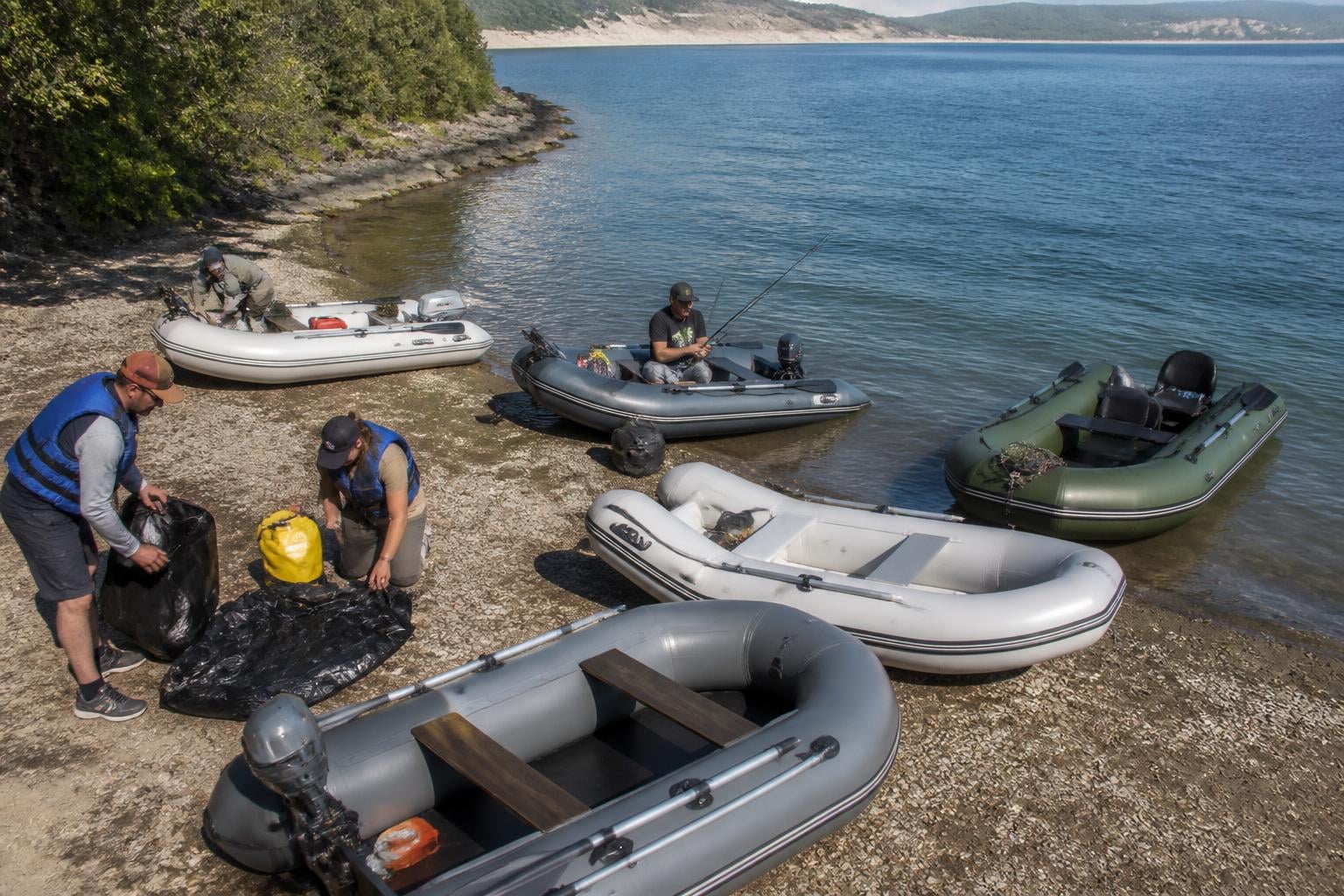
Portable inflatable boats changed the idea that getting on the water required a trailer, a marina slip, or a permanent storage space. BoatsToGo grew around a simpler promise: make capable watercraft easier to transport, easier to store, and practical enough to serve real needs—from casting for fish at first light to carrying family gear across a quiet bay or reaching a larger vessel at anchor.
Built Around the Realities of Getting to the Water
For many boaters, the hardest part of a day on the water happens before launch. A traditional hull may demand towing equipment, dedicated parking, winter storage, and a ramp that accommodates a trailer. Portable inflatable designs answer a different set of priorities: pack the boat into a manageable bag, transport it in a vehicle, inflate it near the launch point, and put it away when the day is done.
That practical approach has always mattered at BoatsToGo. The fleet has developed around the needs customers bring to the water: dependable materials, useful carrying capacity, stable floors, motor compatibility, and designs that can shift between roles. An inflatable boat is not just a tender or a casual beach craft when it has the right construction and layout. It can be a fishing platform, a family runabout, a compact utility boat, a river explorer, or a portable backup craft.
From Compact Dinghies to Capable On-Water Utility
The core inflatable dinghy remains central to the BoatsToGo story because it solves so many boating problems in one format. A good dinghy must be compact when deflated, but it also needs to feel secure and useful when inflated. That balance comes from tube construction, air chambers, floor design, transom strength, and the materials used in high-wear areas.
The 11' SD330 inflatable dinghy illustrates the kind of practical capability that helped portable boats become serious tools rather than occasional-use accessories. Its 11-foot format uses 1100 denier reinforced German Heytex PVC with polyester support, heat-welded seams, and a fiberglass-covered transom. It has a 3+1+1 chamber configuration, 16.5-inch tubes, and a listed capacity of 4+1 people.
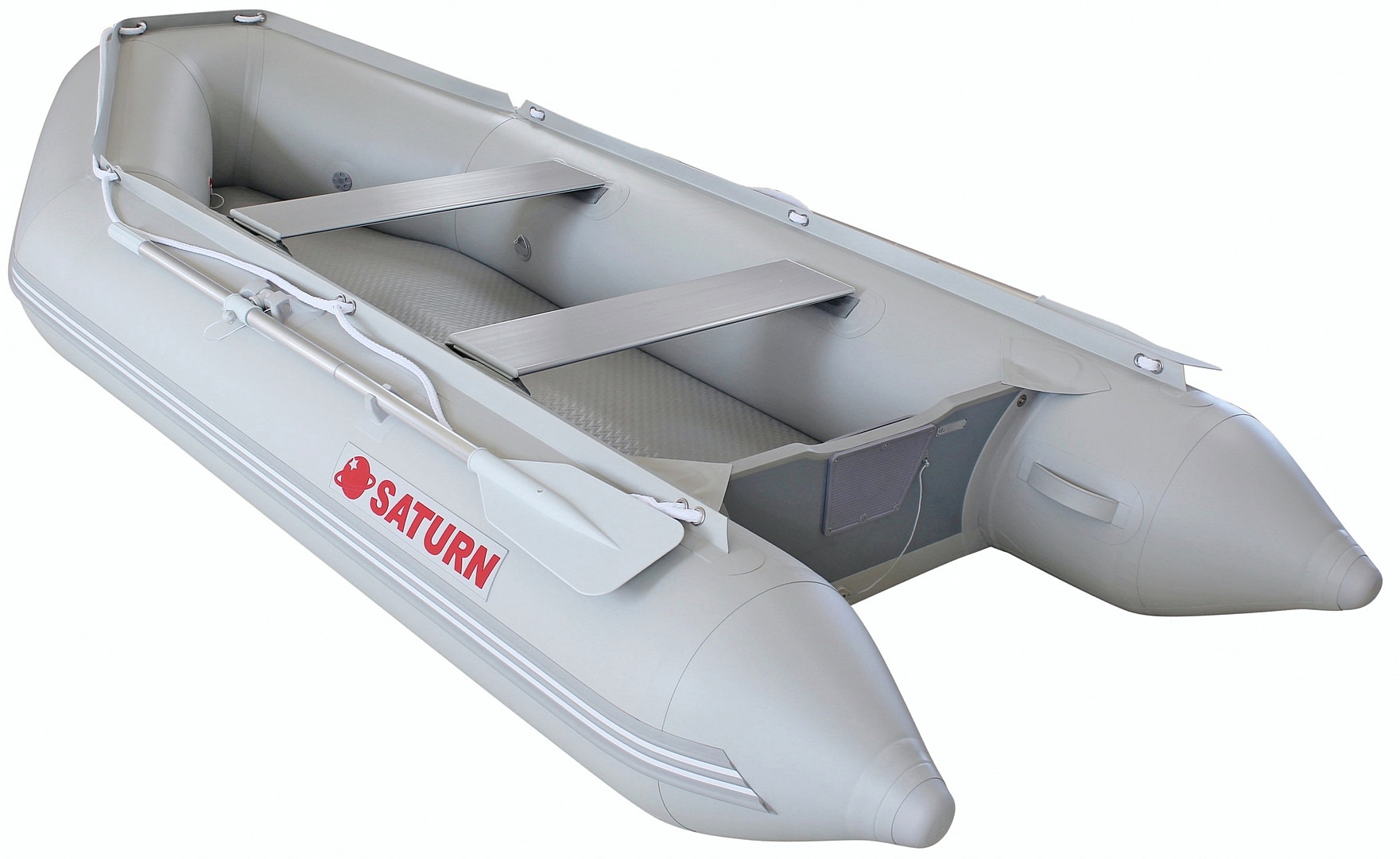
These details matter because portability only has value if the boat can perform once it reaches the shoreline. The SD330’s high-pressure drop-stitch air deck can be inflated to up to 9 psi, creating a rigid surface intended to support stable standing. At the same time, the air floor reduces weight and simplifies packing compared with more permanent floor systems. The listed shipping size is 41 by 26 by 15 inches, a useful example of how a full-size inflatable craft can return to a compact transport footprint.
Why the Floor Changed Expectations
Inflatable floors helped broaden the audience for portable boats. A floor should not merely separate passengers from water beneath the hull; it affects footing, comfort, assembly time, and how confidently people use the boat for fishing or carrying equipment. Drop-stitch air decks made it possible to pair rigidity with packability. Inflated properly, they give boaters a firm surface; deflated, they fold down for transport and storage.
For anglers, that means a more stable place to move around while managing tackle or landing a fish. For family outings, it means a more comfortable surface for passengers and gear. For yacht owners, it means a tender that can be packed away rather than occupying valuable deck or dock space.
The KaBoat Idea: Expanding What an Inflatable Could Be
BoatsToGo did not stop at the conventional dinghy layout. In 2006, BoatsToGo introduced and developed the KaBoat™, a crossover concept combining qualities of an inflatable kayak and an inflatable boat. The result addressed a specific kind of versatility: the ability to paddle narrow, shallow, or quiet water while retaining the option to use an electric motor or gas outboard.
The 15' KaBoat SK470 Micro Skiff shows how that crossover has matured into a longer, more spacious platform. The 2024 model uses German Heytex PVC fabric and a fiberglass-covered transom. At 15 feet long, it provides additional room between aluminum seats and extra bow space compared with the SK430, while its longer tubes add buoyancy for passengers and cargo.
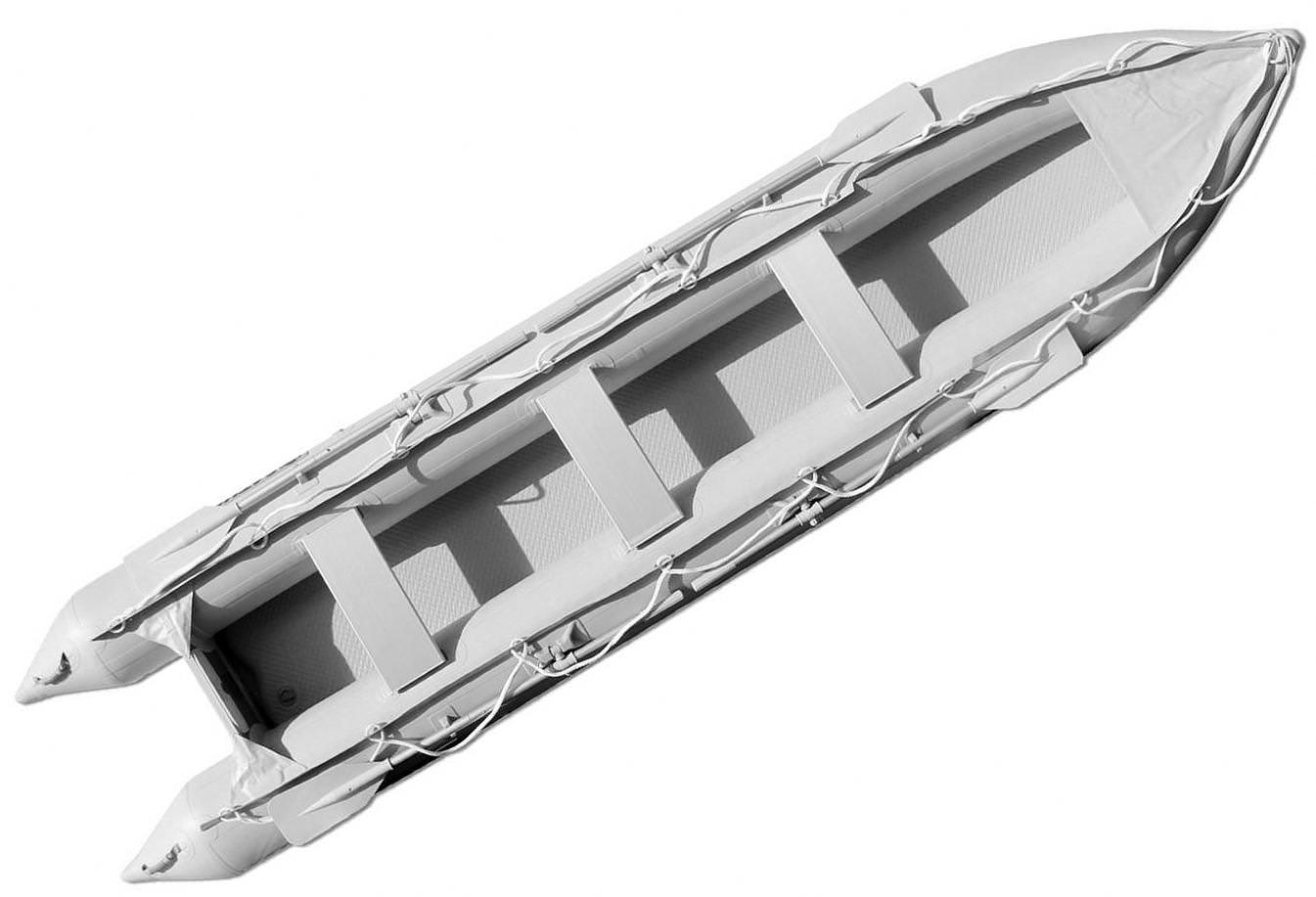
The SK470 has a 2+1 air-chamber layout, 13-inch tube diameter, air deck floor, and listed capacity for 3+1 people. It accepts up to a 10 HP engine and includes two sets of oarlocks, allowing users to choose a rowing position or set up for tandem rowing. Its listed shipping size is 39 by 24 by 13 inches, while the kayak packing size is 45 by 24 by 13 inches. That contrast—15 feet of on-water length and a compact packed form—is exactly why crossover designs have appeal for travelers, apartment dwellers, and boaters without trailer storage.
One Fleet, Many Kinds of Water
The evolution of portable inflatables is really an evolution in use cases. A family may want calm-water exploration, space for a cooler, and easy transport. An angler may prioritize a stable deck, room to stand, and compatibility with a trolling motor. A sailor may need a dependable tender that can carry people and supplies from shore to anchorage. River users may value light weight, shallow-water capability, and the ability to paddle through areas that are difficult for conventional boats.
Design variety matters because “portable” should not mean “one-size-fits-all.” A shorter dinghy can fit the needs of a compact tender or a quick local fishing trip. A longer kayak-boat crossover can suit paddling routes, narrow channels, and cargo-focused excursions. Motor capacity, seating layout, tube diameter, floor style, and packing dimensions all shape how a boat fits into a particular routine.
The Customer Priorities That Have Endured
Value Means Useful Capability
Value is more than an entry price. It is the ability to use one craft in several ways and avoid the ongoing demands associated with permanent storage and trailer ownership. A boat that can serve as a tender, fishing platform, family craft, and travel companion offers value through flexibility as well as initial cost.
Packability Makes More Days on the Water Possible
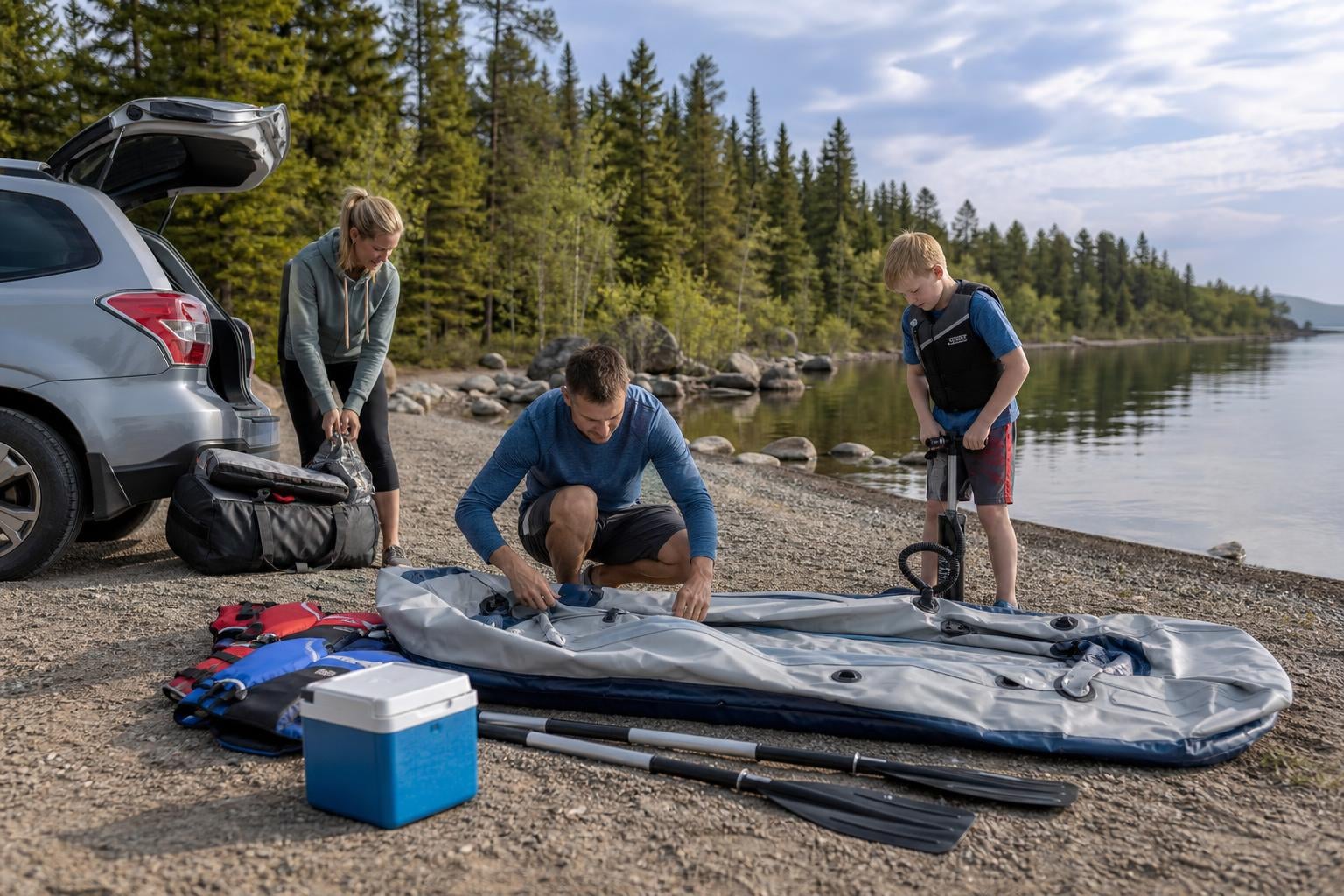
A compact packed size changes the launch decision. When a craft can travel in a vehicle and be stored without a dedicated boat space, spontaneous afternoon outings and vacation boating become more realistic. The key is not simply that a boat deflates; it is that its packed dimensions, setup process, and on-water performance work together.
Durability Builds Trust
Materials and construction determine whether portability remains practical over time. Reinforced PVC fabric, multiple air chambers, protected transoms, and well-designed seams are not abstract specifications. They are the features boaters depend on when loading gear, running a motor, approaching a shoreline, or returning from a long day on the water.
Versatility Keeps the Fleet Relevant
BoatsToGo’s story is ultimately about adaptable designs. The same customer may begin with weekend paddling, later add fishing trips, then use a portable boat as a tender or vacation craft. A fleet that includes dinghy and kayak-boat crossover formats acknowledges that boating habits change—and that the best portable setup is the one that continues to fit the next adventure.
A Portable Boat Is a Different Kind of Freedom
Portable inflatables have earned their place because they remove friction without asking boaters to give up purpose. They can be packed away, carried to new waters, fitted for paddling or motor use where applicable, and used for everything from relaxed family time to practical marine utility. That is the enduring BoatsToGo approach: build water-ready options around how people actually travel, store gear, and spend time outside.
Whether the destination is a lake, river, bay, marina, or distant vacation shoreline, the lasting appeal remains the same: less time managing the boat, more time using it.