

Top rated
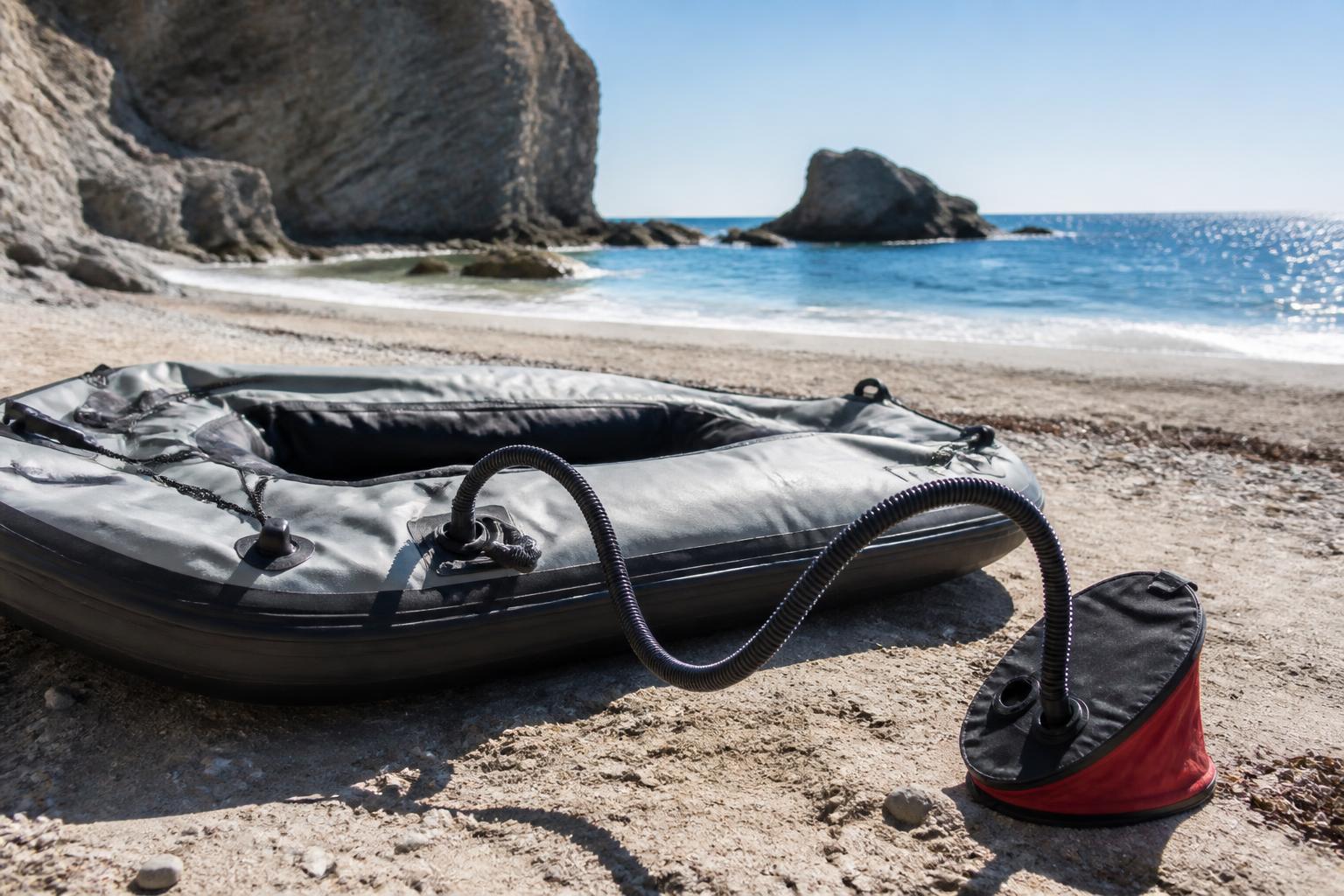
Best Air Pump for Inflatable Boats: Digital vs Analog Compared
Why Your Air Pump Matters as Much as Your Boat
Ask any experienced boater what ruins a launch day faster than bad weather, and most will say the same thing: a slow or failing air pump. Inflatable boats, kayaks, and stand-up paddleboards all depend on getting to the correct PSI quickly and consistently. Too little pressure and your hull flexes, wastes paddling energy, and handles poorly. Too much pressure — or an inconsistent reading — and you risk stressing seams on a hot day.
That's where the pump itself becomes a real piece of gear, not an afterthought. Today's high-pressure electric pumps generally fall into two camps: analog (mechanical gauge, manual shutoff) and digital (electronic display, programmable auto-shutoff). Both can get the job done, but they behave very differently in the field. This guide breaks down the practical differences so you can pick the right one for your boat, your budget, and how you actually use your gear.
How High-Pressure Electric Pumps Work
Most 12V electric pumps built for inflatable boats and SUPs use a two-stage system: a high-volume fan stage that moves a lot of air quickly at low pressure to fill the chambers, followed by a high-pressure piston or diaphragm stage that pushes the final PSI up to spec. This is why you'll often see pumps rated for something like 0–20 PSI, with the high-volume stage doing most of the work below 1–2 PSI and the high-pressure stage taking over from there.
The difference between analog and digital pumps isn't really about the motor or airflow — it's about how pressure is measured, displayed, and controlled.
Analog Pumps: Simple, Rugged, Proven
An analog pump uses a mechanical pressure gauge, similar to a tire gauge, with a needle that sweeps across a dial marked in PSI, mBar, or kPa. You watch the needle, and when it reaches your target pressure, you switch the pump off manually or use a preset mechanical cutoff dial.
- Pros: No batteries or electronics to fail, generally lower cost, easy to repair, works fine in cold or wet conditions where screens can be harder to read.
- Cons: Reading the needle accurately takes practice, especially in bright sunlight; precision is typically limited to increments of 0.5–1 PSI; no memory of your boat's ideal pressure setting.
Digital Pumps: Precision and Automation
Digital pumps replace the needle gauge with an electronic pressure sensor and an LCD or LED readout showing PSI (often also switchable to Bar or kPa). Most digital models let you punch in a target pressure and the pump will automatically shut off once it's reached — no guesswork, no standing there watching a dial.
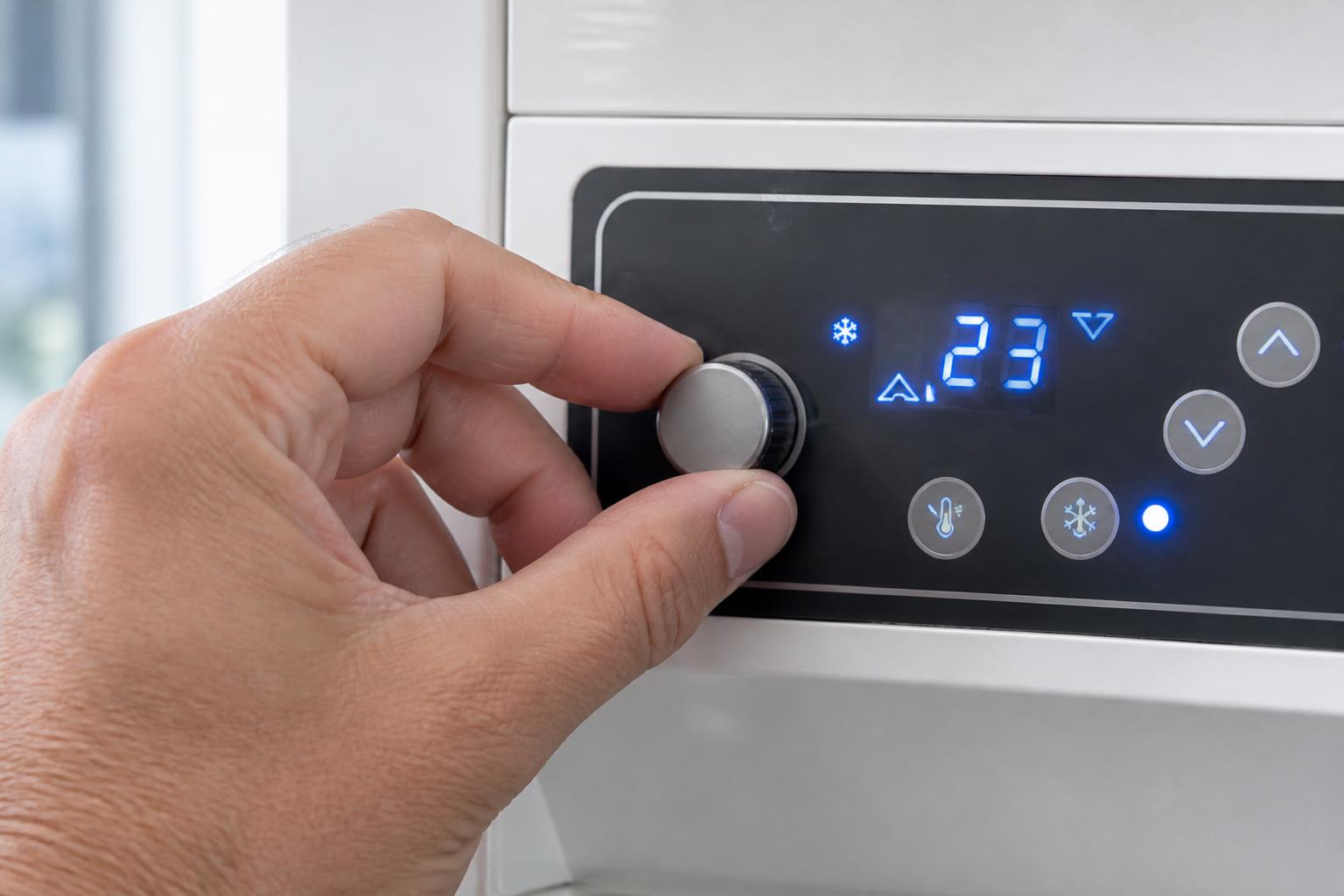
- Pros: Accuracy typically within 0.1 PSI, programmable auto-shutoff prevents overinflation, easier to read at a glance, some models store multiple chamber presets (useful for boats with different pressure zones like tubes vs. floor).
- Cons: Higher upfront cost, depends on a working battery or power source, small electronic parts can be more vulnerable to saltwater exposure if not properly sealed.
Digital vs Analog: Side-by-Side Comparison
| Feature | Analog Pump | Digital Pump |
|---|---|---|
| Pressure reading method | Mechanical needle gauge | Electronic sensor + LCD/LED display |
| Typical accuracy | ±0.5–1 PSI | ±0.1 PSI |
| Auto shutoff | Rare or mechanical only | Common, programmable target PSI |
| Ease of use in bright sun | Can be hard to read glare on dial | Backlit display usually easier to read |
| Cold weather reliability | Excellent, no electronics to slow down | Good, but battery performance can drop in cold |
| Multiple pressure presets | No | Yes, on most models |
| Upfront cost | Lower | Higher |
| Best for | Budget-conscious owners, backup pumps, simple single-chamber boats | Multi-chamber inflatable boats, SUPs needing precise PSI, frequent users |
Why Precision Actually Matters on the Water
It's tempting to think "close enough" is fine when inflating a boat, but pressure tolerances matter more than most people realize. A typical inflatable boat tube might call for 3–4 PSI, while an inflatable SUP board often needs 12–15 PSI, and some racing or touring boards push to 18–20 PSI for a rigid feel. On an analog gauge, the difference between 12 and 13 PSI can be nearly impossible to read precisely, especially with a needle that vibrates while the motor runs. A digital pump displaying "12.3 PSI" removes that ambiguity entirely.
This is especially important for multi-chamber inflatable boats, where the keel, tubes, and floor may all call for different pressures. Getting the floor pressure wrong, for instance, can make a rigid-floor inflatable feel spongy underfoot or, if overinflated, put unnecessary stress on the floor-to-tube seams.
Battery Life, Power Source, and Reliability
Whether you choose analog or digital, most high-pressure electric pumps for boats and SUPs run on 12V power — either a built-in rechargeable lithium battery, a cigarette-lighter plug for your vehicle or a portable jump-starter pack, or direct clip-on connections to a marine battery. Digital models with a screen and microcontroller do draw slightly more power than a purely analog unit, but in practice the difference is small compared to the power draw of the motor itself.
If you're planning to inflate offshore, at a remote put-in, or somewhere without easy access to a vehicle battery, look for a pump with a built-in rechargeable battery rated for at least a couple of full inflation cycles on a single charge — enough to fill a mid-size inflatable boat or a couple of SUP boards before needing a recharge.
Durability and Maintenance Considerations
Saltwater and sand are the enemy of any pump, analog or digital. Look for units with sealed housings and grommeted buttons rather than exposed switches. Analog pumps have an edge here in raw simplicity — fewer components means fewer failure points if the housing does let in moisture. That said, many digital pumps built specifically for marine use are designed with waterproof or splash-resistant control panels, so this gap has narrowed considerably in recent years.
Regardless of which type you choose, a few habits will extend the life of your pump:
- Rinse the housing (not the motor intake) with fresh water after saltwater use, then dry thoroughly before storage.
- Store the pump in a padded bag away from direct sun, which can degrade seals and battery cells.
- Check the hose adapter fittings each season — worn valve adapters are a common cause of slow inflation, and it's easy to mistake this for a failing pump.
Which One Should You Buy?
If you own a single-chamber inflatable dinghy, mostly launch from your driveway, and want a reliable backup pump that will still work perfectly in ten years, an analog high-pressure pump is a smart, budget-friendly choice.
If you regularly inflate a multi-chamber boat, an inflatable SUP, or several different craft with different pressure requirements, the precision and auto-shutoff of a digital pump will save you time, reduce the risk of over- or under-inflation, and generally make the whole process less of a chore — especially if you're doing it solo on a boat ramp with other people waiting behind you.
At BoatsToGo, we carry both analog and digital high-pressure electric pumps sized for everything from small inflatable kayaks to larger RIB tenders. Whichever type fits your setup, the right pump turns a 20-minute wrestling match into a five-minute task — which means more time on the water and less time standing on the shore watching a needle.